Best Self Erecting Tower Crane Types for Construction Projects?
When it comes to construction projects, choosing the right equipment is crucial. Among the various options, a Self Erecting Tower Crane stands out. These cranes offer flexibility and efficiency. They are particularly useful in urban settings where space is limited. With their ability to self-erect, they save precious time and labor costs.
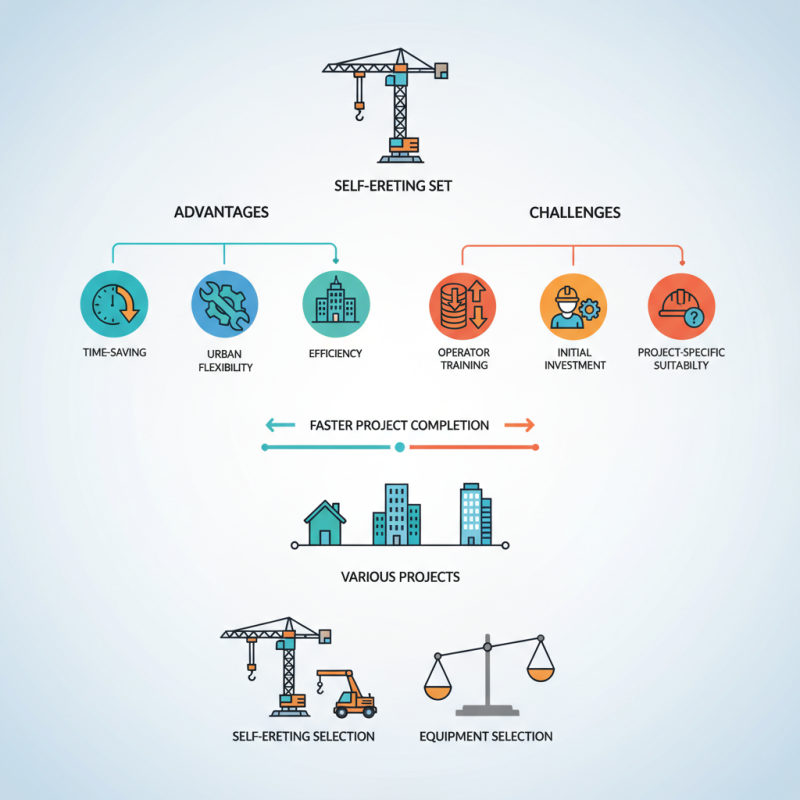
Self Erecting Tower Cranes can handle different loads and heights. This makes them ideal for a variety of tasks, from residential buildings to large commercial projects. The convenience of these cranes allows for faster project completion. However, it is essential to consider their specifications carefully. Not every project is the same, and sometimes, a different type of crane may be necessary.
While Self Erecting Tower Cranes bring many advantages, they also come with challenges. Operators must be well-trained to ensure safety and efficiency. Additionally, the initial investment can be significant. Reflecting on these factors is essential for project managers. Choosing the right crane can make or break a project, so thoughtful consideration is key.
Understanding Self Erecting Tower Cranes and Their Advantages
Self erecting tower cranes have transformed construction sites. They offer great flexibility. These cranes can set themselves up quickly, saving valuable time. Workers can avoid lengthy assembly processes. This feature is essential in fast-paced projects. With fewer personnel needed for setup, safety improves. Less congestion on site leads to fewer accidents.
These cranes also have impressive reach capabilities. They can lift heavy loads at heights with great precision. This is beneficial in urban areas where space is limited. However, operators must be skilled. Mistakes can lead to costly accidents or delays. Training is crucial to maximize efficiency. Not all projects suit self erecting cranes. Sometimes, traditional cranes may perform better depending on the site logistics.
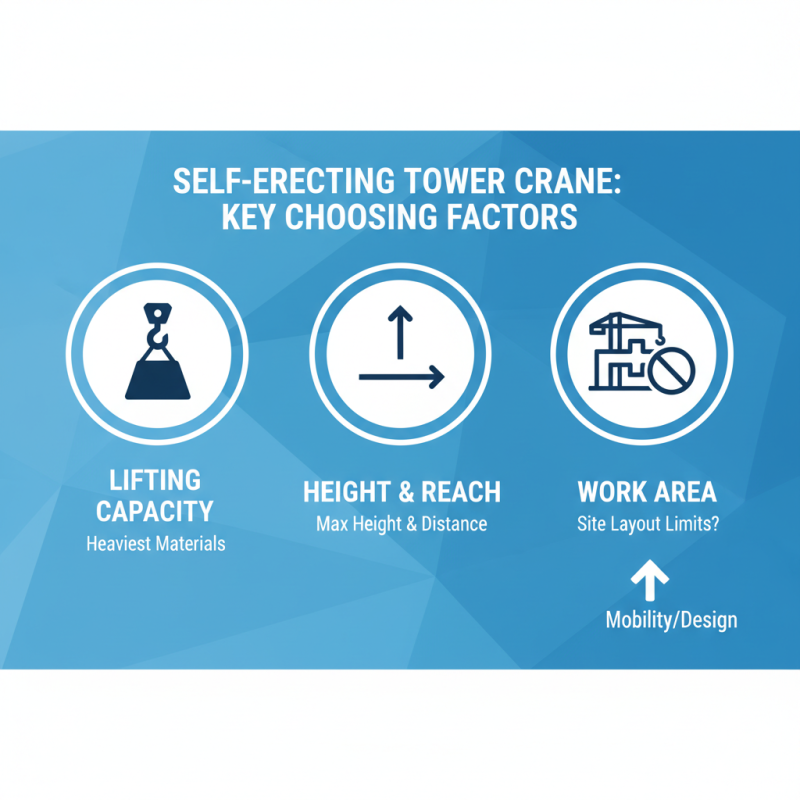
Operational costs can be lower with self erecting cranes. Yet, initial investment might be higher. Projects managers should consider budget constraints. They must also evaluate the crane's lifting capacity. It's vital to assess the project needs carefully. Choosing the right type is a decision that shouldn't be taken lightly. Balancing advantages with potential pitfalls is key. Proper planning and reflection lead to successful construction outcomes.
Best Self Erecting Tower Crane Types for Construction Projects
| Crane Type |
Max Load Capacity (tons) |
Height (meters) |
Arm Length (meters) |
Setup Time (hours) |
Advantage |
| Self Erecting Tower Crane A |
8 |
30 |
24 |
2 |
Compact Design |
| Self Erecting Tower Crane B |
6 |
25 |
20 |
1.5 |
Easy to Transport |
| Self Erecting Tower Crane C |
10 |
35 |
28 |
3 |
High Lift Capabilities |
| Self Erecting Tower Crane D |
5 |
20 |
15 |
1 |
User-Friendly Operation |
Key Types of Self Erecting Tower Cranes Used in Construction
Self erecting tower cranes have become vital in modern construction projects. Their unique design allows them to lift heavy materials quickly and efficiently. These cranes are especially useful in sites with limited space. They can often be set up in tight areas without the need for additional support structures.
There are several key types of self erecting tower cranes. The first type is the flat-top crane. This crane features no protruding parts on top, allowing for easier transport and setup. The second type is the luffing jib crane. Its jib can be raised or lowered, providing flexibility in tight spaces. However, this crane can require more maintenance, which can complicate project timelines.
Another notable type is the hammerhead crane. This crane has a horizontal jib that allows for a high lifting capacity. However, it may not perform well in windy conditions, which requires careful planning and consideration. Each of these types has its pros and cons, and the choice largely depends on project specifics. Factors like site layout and material needs are critical in making the right decision.
Applications of Self Erecting Tower Cranes in Various Construction Projects
Self erecting tower cranes play a crucial role in various construction projects. Their versatility makes them suitable for residential buildings, commercial structures, and infrastructure work. According to the latest industry reports, the global market for tower cranes is expected to grow significantly, projected to reach USD 2.7 billion by 2026. This growth reflects the rising demand for efficient lifting solutions.
In residential construction, self erecting tower cranes provide ease of operation. They can be set up in tight spaces, making them ideal for urban environments. A recent study highlighted that these cranes can increase productivity by up to 30%. This is significant, especially in cities with limited space. However, they require careful planning and training. Operators must be experienced to avoid potential risks during operation.
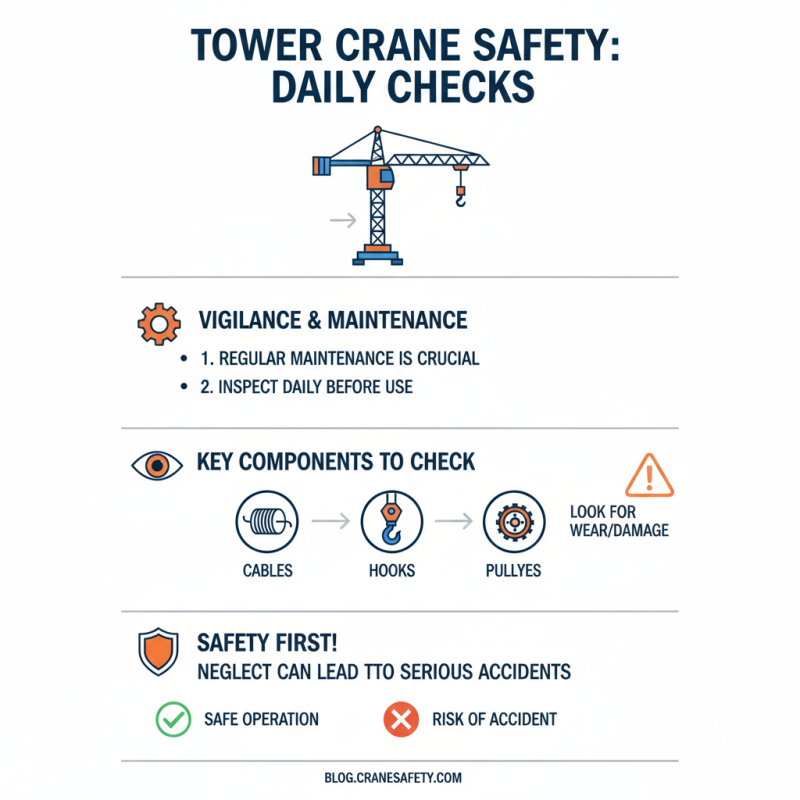
For large-scale infrastructure projects, self erecting tower cranes can handle hefty loads. Their ability to elevate materials and equipment rapidly drives project timelines. Nonetheless, reliance on these cranes can sometimes lead to delays if maintenance issues arise. Professionals should conduct regular checks to ensure optimal performance. Safety remains a primary concern. Adequate measures must be in place to protect workers and the public during use.
Best Self Erecting Tower Crane Types for Construction Projects
This bar chart illustrates the number of construction projects that utilize self erecting tower cranes across various sectors including residential, commercial, industrial, and infrastructure projects. The data indicates that commercial projects make the most significant use of these cranes, followed by residential projects, while industrial projects show the least usage.