How to Choose the Right Tower Crane Mobile for Your Construction Project?
Choosing the right Tower Crane Mobile for your construction project can be daunting. Industry expert John Smith once stated, "The right crane can make or break a project." Understanding the specific needs of your project is crucial.
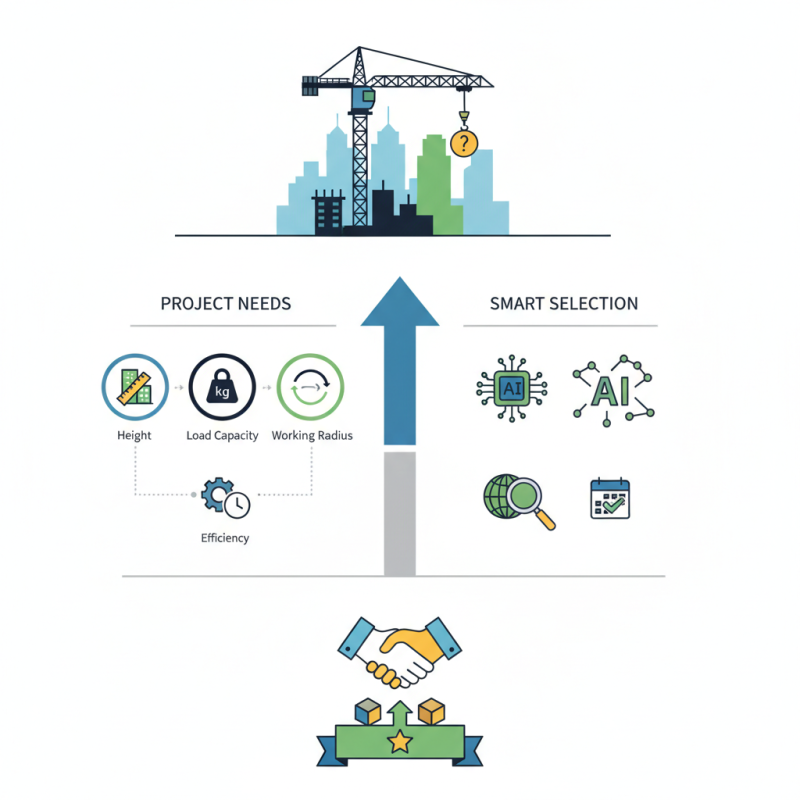
A Tower Crane Mobile must match your construction's scale and complexity. Consider factors like the height required, load capacity, and working radius. Each detail can significantly impact your project's efficiency. The wrong choice may lead to delays and additional costs.
While exploring options, utilize advanced technology to aid your decision. The integration of AI in recent trade fairs, such as the Canton Fair, showcases how technology can streamline supplier selection. Remember, a thoughtful choice today sets the foundation for success tomorrow.
Understanding the Different Types of Tower Cranes Available
When choosing a tower crane, understanding the available types is crucial. There are several main types of tower cranes: hammerhead, luffing jib, and flat top. Each serves different construction needs. Hammerhead cranes are popular for high-rise buildings. They offer a large working radius and excellent lifting capacity. On the other hand, luffing jib cranes excel in confined spaces. They can lift loads at various heights without needing extra space.
Flat top cranes provide flexibility on the construction site. They allow for easy assembly and disassembly. However, they may not be ideal for taller structures. Factors such as weight capacity and height restrictions play a vital role in choosing the right crane. Mistakes can lead to delays and increased costs. Understanding the specific project requirements is essential.
Pay attention to the crane's reach and lifting power. Overloading a crane can cause serious accidents. It’s important to consult with experienced professionals. They help in making informed decisions. Not all cranes are suitable for every job. Taking the time to evaluate options can lead to better outcomes.
Comparison of Different Types of Tower Cranes
Assessing Your Construction Project's Specific Needs and Requirements
Choosing the right tower crane mobile for your construction project hinges on understanding the project's specific needs and requirements. A tower crane is a significant investment. The scope of your construction efforts will dictate the type and size of the crane required.
Start by evaluating the height and weight of the materials you'll be lifting. For residential projects, a smaller crane may suffice. However, for high-rise buildings, larger cranes are essential. Consider the site layout. A tower crane needs adequate space to operate efficiently. If your site is cramped, a compact model may be necessary.
**Tips:**
Ensure the crane's lifting capacity aligns with your demands. It’s important not to underestimate weight. Always factor in the weight of materials and equipment. Review local regulations regarding crane use. Compliance with these guidelines is crucial for safety and efficiency.
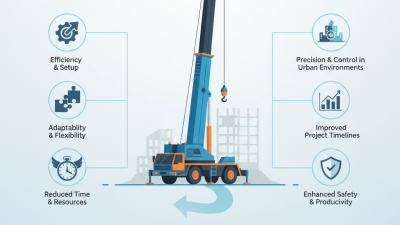
Another consideration is the crane's mobility. If your project spans multiple areas, a mobile model can save time. However, the setup time is often longer, so plan ahead.
**Tips:**
Communicate with your team about their experiences. Sometimes, practical insights can reveal issues you haven’t considered. Make adjustments as needed, and don’t hesitate to rethink your choices if they don't fit. Adapting to project dynamics is essential.
How to Choose the Right Tower Crane Mobile for Your Construction Project? - Assessing Your Construction Project's Specific Needs and Requirements
| Project Type |
Weight Capacity |
Height Reach |
Boom Length |
Mobility Type |
Setup Time |
| Residential |
5 tons |
50 meters |
30 meters |
Mobile |
1 hour |
| Commercial |
10 tons |
75 meters |
40 meters |
Trucked |
2 hours |
| Industrial |
15 tons |
100 meters |
50 meters |
Stationary |
3 hours |
| Infrastructure |
20 tons |
120 meters |
60 meters |
Crawler |
4 hours |
Evaluating Site Conditions and Space Constraints for Crane Placement
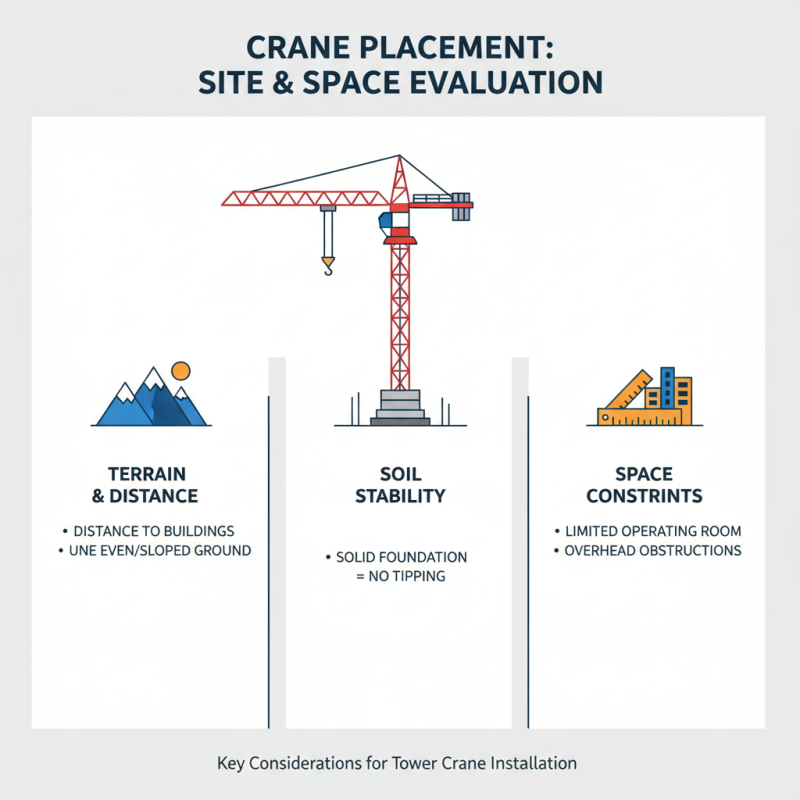
When selecting a tower crane, site conditions are crucial. You need to evaluate the terrain and the distance to buildings. Uneven ground can complicate installation. Consider soil stability as well. If the ground is not solid, the crane could tip over during use.
Space constraints also play a vital role. Measure the area where the crane will operate. Is there enough room for swinging the jib? A cramped site can limit your choices. If you find that your space is too small, you may need to consider a different crane type.
Tips: Always check for overhead lines that may affect crane operations. They can pose safety hazards. Assess nearby structures too. If they block the crane's movement, rethink your placement strategy. Lastly, consult with your team regularly. Collaboration can reveal overlooked details that affect your crane choice.
Comparing Costs and Budget Considerations for Tower Crane Options
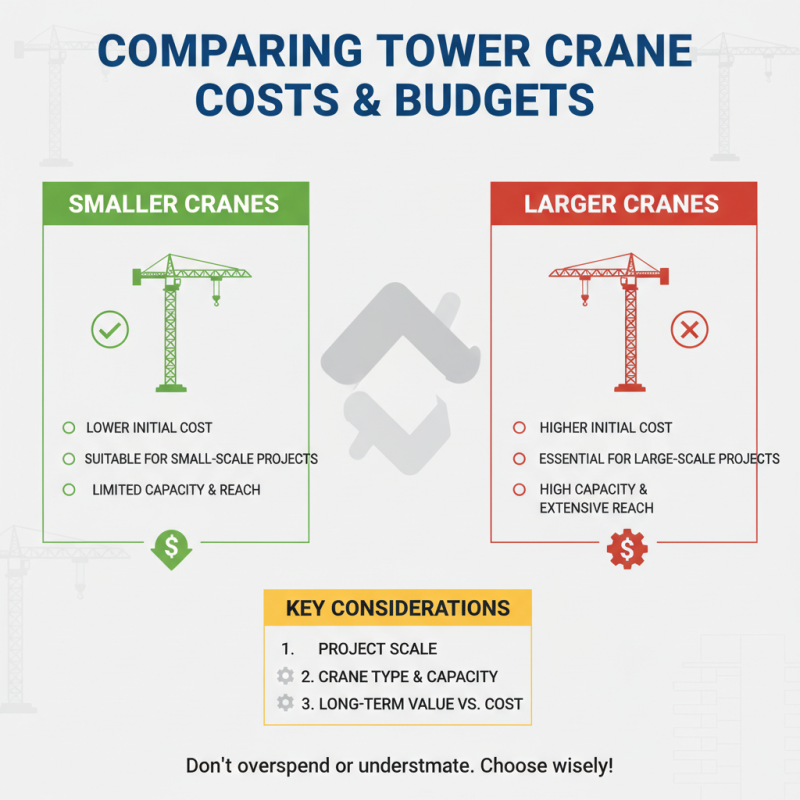
When selecting a tower crane for your construction project, it’s essential to consider costs and budget. Not all cranes are the same; their prices can vary significantly. The crane type, size, and capacity will directly impact your budget. A smaller crane may cost less but might not meet your project's needs. Evaluate the project scale to ensure you're not overspending or underestimating your requirements.
Another factor is rental versus purchase options. Renting a crane can be a cost-effective choice for short-term projects. However, for long-term projects, purchasing may be wiser. Keep in mind additional costs for delivery, setup, and maintenance. These can quickly add up. It's crucial to create a comprehensive budget that includes all potential expenses.
Assessing your financial capacity is vital. Reflect on your funding resources and potential delays in cash flow. Unexpected expenses can arise, so allocate a buffer in your budget. It’s not just about the initial costs but the total lifecycle expenses of the crane. Evaluating all these elements can lead to a more informed decision.
Consulting with Experts and Manufacturers for Informed Decision-Making
Choosing the right tower crane mobile for your construction project is crucial. If you rush this decision, you could face setbacks. Consulting with experts can provide valuable insights. They can help you understand the various models and specifications available. Their experience often reveals details you might overlook.
Manufacturers also play a vital role in this process. They can offer customized solutions based on your project needs. Engaging with them helps you gain knowledge about the latest technologies and innovations in crane design. Ask questions. What are the weight limits? How does it perform in different weather conditions? Understanding these factors can save you time and money.
It's also important to consider your project's unique requirements. If your site is small, a compact model may be best. If you're working with heavy materials, ensure the crane has sufficient lifting capacity. Don’t forget about the terrain and accessibility. An ideal crane for one project may not suit another. These reflections could lead to costly mistakes if ignored.