How to Choose the Best Mobile Tower Crane for Your Project?
Choosing the right Tower Crane Mobile for your project is a critical task that can significantly impact efficiency and safety. Industry expert John Smith, a leading figure in crane technology, once stated, "Selecting the proper mobile tower crane is fundamental to project success." With numerous options available, understanding your specific needs is essential.
Consider the project scale and site conditions. A Tower Crane Mobile can enhance maneuverability and reach. However, not all cranes are created equal. It's crucial to analyze load capacity and available space. A crane that fits one project might fail in another. Reputable manufacturers often have detailed specifications available for review.
Choosing incorrectly can lead to delays and increased costs. Invest time in research and seek expertise. Gather insights from professionals who have experience with various models. The right choice will ensure not just project efficiency, but also safety for all involved. Thus, understanding the complexities of selecting a Tower Crane Mobile is vital.
Understanding the Types of Mobile Tower Cranes Available
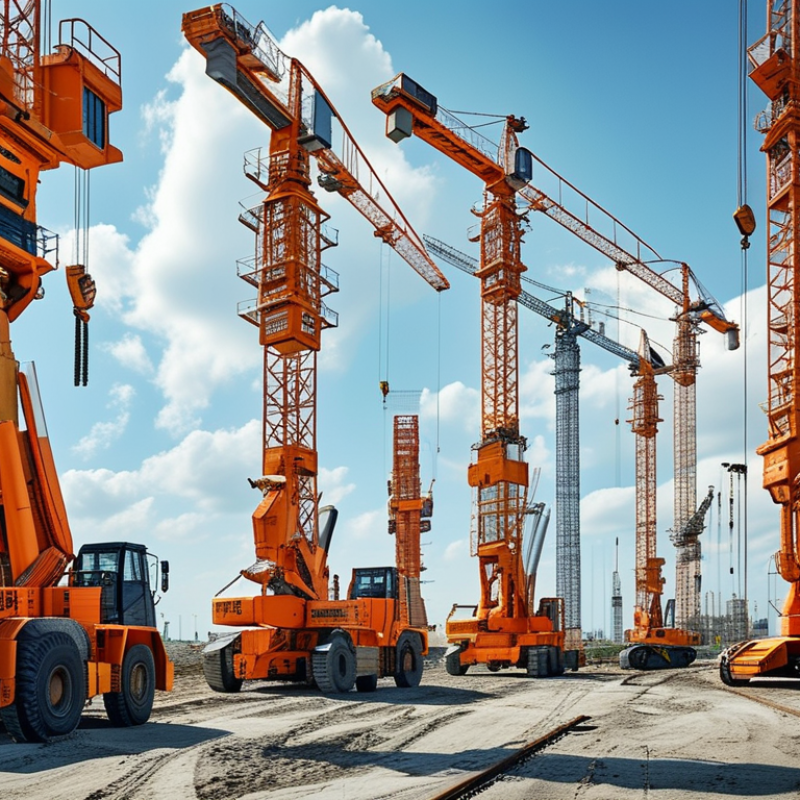
When selecting a mobile tower crane, understanding the various types available is essential. Each type has unique features suited for distinct project requirements. These cranes can be categorized mainly into two groups: fixed and mobile cranes. Fixed cranes are great for projects that have a permanent installation, while mobile cranes provide flexibility and mobility for different job sites.
For projects requiring versatility, consider using a telescopic crane. These cranes extend vertically and can adapt to different heights and configurations. Alternatively, a luffing jib crane is ideal for projects with tight spaces. Its ability to lift loads at various angles makes it really useful in urban environments.
Tips: Always assess your project location. Ensure the crane's dimension fits the site layout. Consult with experienced operators to evaluate load capacity accurately. Not every project needs the largest crane available. Sometimes, a smaller crane can efficiently complete the task, saving time and costs. Remember to think about the transportation logistics, too. Plan for road access and setup space.
Evaluating Project Requirements and Site Conditions
Choosing the right mobile tower crane starts with understanding your project requirements and site conditions. Consider the height and weight of materials to be lifted. Assess the ground stability and space available for crane operation. These factors play a vital role in selecting a suitable crane.
Tips: Always measure the site dimensions accurately. This assessment can prevent costly mistakes. A well-planned layout leads to efficient operations.
In urban areas, noise restrictions may limit crane operation times. Consider local regulations. Understanding these conditions may guide your choice of equipment. Furthermore, check for overhead obstructions that could hinder crane movement.
Tips: Engage with local authorities to grasp site-specific requirements. This collaboration ensures compliance and can save time during the project.
Evaluating project requirements and site conditions can help in making informed decisions. Always remain flexible; adjustments might be needed as the project develops. Be ready to revisit your criteria as unforeseen challenges arise.
Comparing Lifting Capacities and Reach of Cranes
When selecting a mobile tower crane, understanding lifting capacities and reach is crucial. In construction, these factors directly affect efficiency. For example, cranes with a lift capacity of 10 tons can elevate significant loads, which is vital for larger projects. Reports indicate that cranes with a maximum reach of 50 meters can effectively cover expansive job sites, reducing the number of cranes needed.
However, one must consider site-specific challenges. Not all cranes perform equally in confined spaces. In a dense urban environment, a crane with a shorter reach may be more practical. A study from the International Journal of Construction Management highlighted that choosing the right crane could reduce overall costs by up to 20%. This shows the importance of matching crane capacity and reach to project needs.
Moreover, limitations exist. A crane's performance might not be optimal under extreme weather conditions. Wind speeds over 20 km/h can restrict operations significantly. Understanding the limitations of lifter capacities and reach helps in making informed choices. Prioritizing the right specifications while considering site conditions ensures a safer and more productive operation.
Assessing Safety Features and Compliance Standards
When choosing a mobile tower crane, safety features are paramount. Ensure that the crane meets the highest safety standards, as inadequate safety measures can lead to accidents. Look for cranes equipped with overload protection, anti-collision systems, and stability controls. These elements not only protect workers but also safeguard your project’s integrity.
Tips: Always check for certifications and compliance with local regulations. These guidelines can differ by location, so understanding your area’s requirements is crucial. Practical safety training for operators is equally important. Proper training ensures that workers know how to handle the crane safely.
Consider the crane’s emergency features too. Does it have quick-release mechanisms? How does it respond in various weather conditions? These factors directly impact safety and operational efficiency. Always reflect on past projects and learn from potential oversights. A thorough evaluation of safety features is essential for making an informed decision on the best mobile tower crane for your project.
Determining Budget Constraints and Rental Options
Choosing the right mobile tower crane involves understanding your budget constraints and rental options. Most businesses face tight budgets. It's crucial to evaluate how much you can spend. Consider not just the rental fees, but also additional costs. These include delivery, setup, and maintenance. Every detail can impact your overall budget.
Rental options also vary widely. Companies may offer daily, weekly, or monthly rentals. Thinking long-term? A monthly rental might save money. However, if the project is short, a daily rate might be best. Analyze usage rates closely. Unexpected delays can lead to budget overruns. Ensure your rental agreement has flexibility.
Consulting with experts can provide guidance. They can help clarify costs and options. Don't hesitate to ask questions. You might discover hidden fees or better arrangements. Gathering multiple quotes allows for comparison. The right decision hinges on a thorough understanding of all potential expenses. This careful consideration pays off in the long run.