Essential Parts Of A Tower Crane You Need To Know?
Tower cranes are vital in modern construction, offering unparalleled strength and height. According to the "Global Crane Market Report 2022," the demand for cranes, especially tower cranes, has surged by 30% in the last five years. This trend highlights the importance of understanding the essential parts of a tower crane. Knowledge of these parts enhances safety and efficiency on job sites.
Renowned industry expert John Smith, a senior engineer at CraneTech, asserts, "Understanding the parts of a tower crane is fundamental for optimal operation and safety." His insights underline the necessity of having a knowledgeable workforce. They can identify each component, like the mast, jib, and counterweights, which work in harmony to lift heavy materials.
However, many operators overlook the significance of regular maintenance. Ignoring even minor issues can lead to costly downtime or accidents. The challenge lies in ensuring that all team members are adequately trained and informed about the tower crane's components. A well-informed approach can prevent mishaps and enhance overall project performance.
Key Components of a Tower Crane Explained
Tower cranes are essential in construction, enabling the lifting of heavy materials. Understanding their key components enhances safety and efficiency on job sites. Each part plays a specific role, contributing to the overall functionality and stability of the crane.
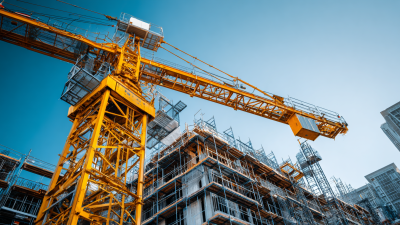
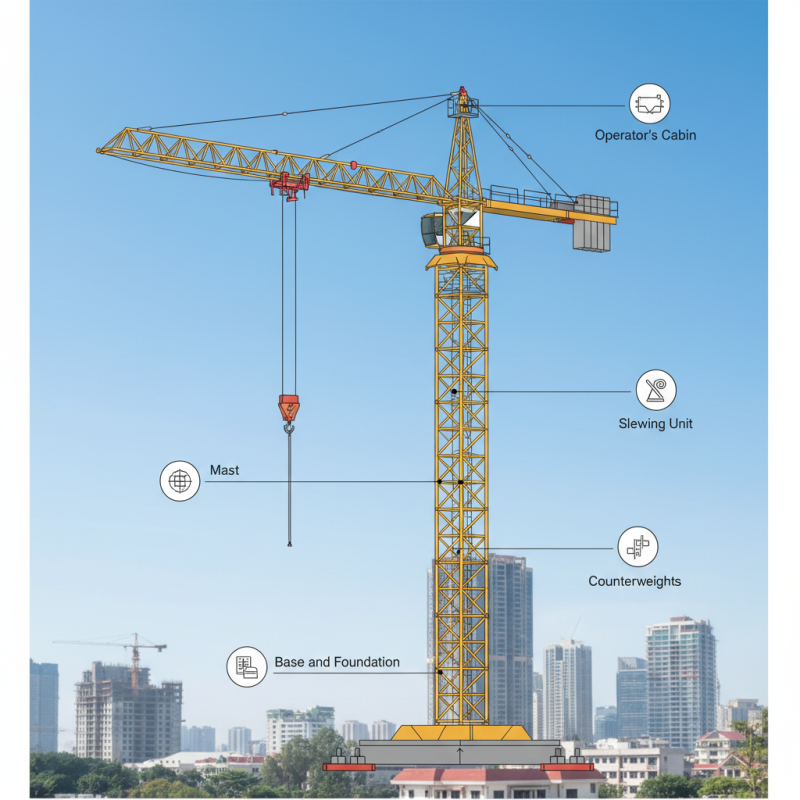
One critical component is the tower itself. It provides the height and stability needed for lifting. The jib, or arm, extends horizontally and carries the load. Counterweights are vital for balance, ensuring the crane doesn’t topple. Moreover, the hook and rigging system are crucial for securing loads safely. Regular inspection of these parts is necessary. Wear and tear can lead to failures, highlighting the need for diligent maintenance.
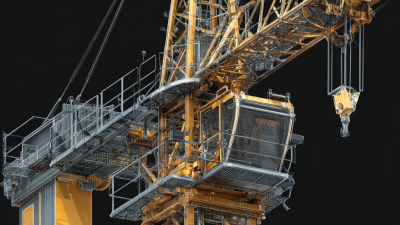
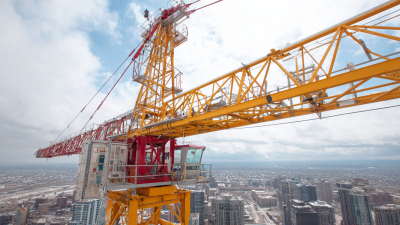
Another often overlooked aspect is the operator's cabin. This space is where decisions are made, and visibility is paramount. Poor sightlines can cause accidents. Training operators on crane limits and safety checks is critical. Communication with ground staff must be clear. Misunderstandings can lead to unsafe situations. It's essential to reflect on these details to improve performance and safety in tower crane operations.
The Role of the Mast in Tower Cranes
The mast in a tower crane plays a crucial role in its overall functionality. It serves as the primary support structure, allowing the crane to reach impressive heights and handle substantial loads. Tower cranes can lift materials up to 20 tons, depending on their design, making them essential for skyscraper construction. Research indicates that proper mast installation is vital for stability, which in turn ensures safety on the job site.
A well-constructed mast is typically made from high-grade steel. This material not only provides strength but also enhances the crane’s durability. However, issues can arise if the mast is improperly secured, leading to significant safety hazards. Approximately 30% of tower crane accidents are linked to mast failures. Awareness and training are crucial in ensuring that the crane operators know how to inspect the mast for any signs of wear or instability.
Tips: Regularly inspect mast connections and bolts. This can prevent catastrophic failures. Always consult manufacturer specifications for correct assembly procedures. Furthermore, keep in mind the surrounding environment. High winds can impact stability, so operators should remain vigilant and prepared to halt operations when necessary. Understanding the mast’s role and maintaining its integrity is essential for safe and efficient crane operation.
Essential Parts Of A Tower Crane You Need To Know? - The Role of the Mast in Tower Cranes
| Component |
Function |
Material |
Height |
| Mast |
Provides vertical support for the crane |
Steel |
Up to 80 meters |
| Jib |
Supports loads and extends out from the mast |
Steel |
Varies (up to 60 meters) |
| Cab |
Houses the operator's controls and seating |
Fiberglass/Metal |
N/A |
| Counterweights |
Balances the weight of the load |
Concrete/Steel |
N/A |
| Trolley |
Moves the load horizontally along the jib |
Metal |
N/A |
Understanding the Jib and Its Functionality
The jib is a crucial component of a tower crane. It extends horizontally from the crane's tower, providing the reach needed to lift materials. Often, it resembles a giant arm. This structure can pivot, allowing versatile movement when lifting loads. A well-functioning jib is essential for efficiency on construction sites.
Different jibs serve various purposes. Some are fixed, while others can swing and adjust for better angles. This flexibility helps in placing materials precisely. However, using a jib requires careful planning. Operators must calculate the load limits and working radius accurately. Miscalculations can lead to accidents.
Understanding the intricacies of the jib's design helps ensure safety and efficiency. Frequent inspections reveal potential wear and tear. Ignoring these checks often results in costly repairs or dangerous situations. Safety training for crane operators is vital. They must be aware of the jib's operation and limitations. A deeper awareness can prevent errors and enhance productivity on site.
Essential Parts Of A Tower Crane - Jib Functionality
Importance of the Hoist Mechanism in Crane Operations
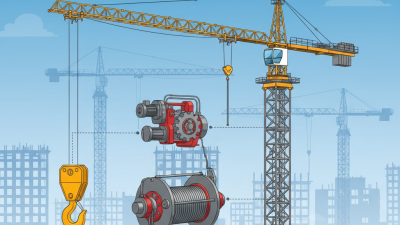
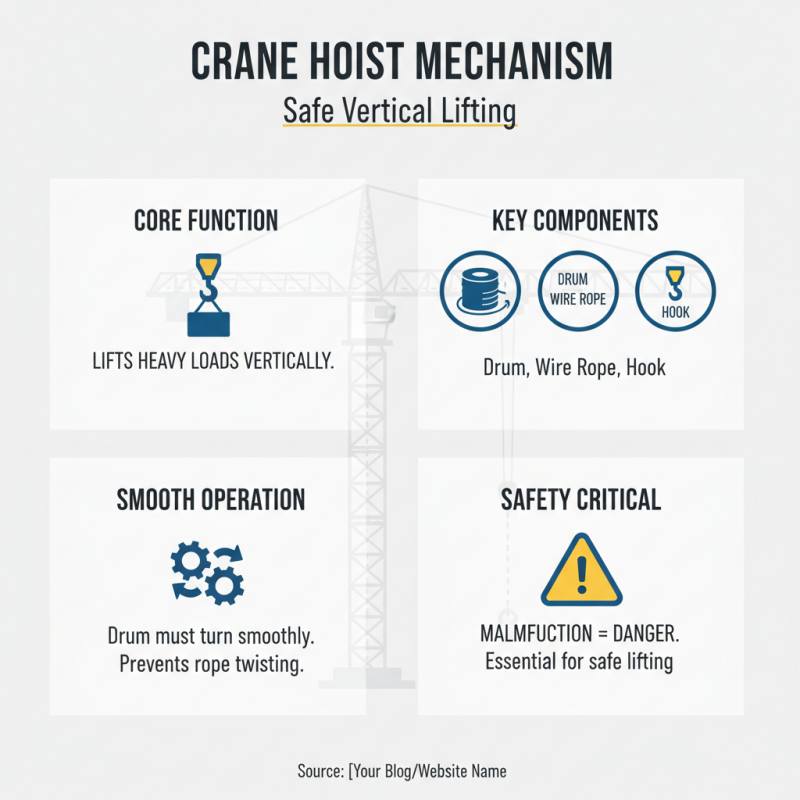
The hoist mechanism is fundamental to tower crane operations. It lifts heavy loads vertically. This device consists of several parts, including a drum, wire rope, and hook. Each component plays a vital role in safe lifting. For instance, the drum must operate smoothly to prevent twisting of the wire rope. Any malfunction can lead to dangerous situations.
Consider how the hoist mechanism affects overall efficiency. When the hoist performs well, it promotes faster construction timelines. However, delays often arise due to mechanical issues. Regular maintenance is crucial but sometimes overlooked. Operators may focus more on other crane functions. This oversight can result in costly downtime or accidents.
Safety protocols should prioritize inspections of the hoist mechanism. Operators need training to identify potential problems early. Some may underestimate the importance of these checks. Ignoring these procedures can lead to catastrophic results. A robust hoist mechanism not only enhances performance but also ensures the safety of workers.
Safety Features Essential for Tower Crane Performance
Tower cranes play a crucial role in construction projects, handling heavy loads and reaching great heights. Safety features significantly impact their performance. According to industry reports, over 60% of construction accidents are related to equipment failures. This calls for a robust design focused on safety.
Key safety features in tower cranes include load moment indicators and anti-collision systems. Load moment indicators check the weight being lifted against the crane's rated capacity. If the load exceeds the limit, the crane will automatically halt operations. This system can reduce potential accidents by 20%, according to several studies. Anti-collision systems help prevent accidents when multiple cranes operate nearby. They allow for efficient communication between machines, enhancing on-site safety.
Regular inspections and maintenance are often inadequate in many projects. Reports indicate that nearly 30% of cranes operate without proper maintenance logs. This results in overlooked safety features, increasing risks. Workers should be trained to identify safety issues promptly. Feedback from operators is essential, as they can highlight areas needing improvement. Addressing these concerns can foster a safer work environment and improve overall crane performance.