How to Identify Parts of a Tower Crane for Global Buyers?
Understanding the parts of a tower crane is essential for global buyers in the construction industry. Tower cranes are pivotal for moving heavy materials at construction sites. Recognizing each part allows buyers to assess quality and functionality effectively.
Key components, like the boom, mast, and the cab, play crucial roles in overall performance. The boom extends out to lift heavy loads, while the mast provides stability. Understanding these parts of tower cranes helps in making informed purchasing decisions.
Buyers should also consider how these parts interact. An incorrectly matched component can lead to inefficiencies. Seeking expert advice during the selection process is wise. This approach enhances reliability in operations and ensures safety on site. With this knowledge, navigating the complexities of crane parts becomes manageable.
Understanding the Basic Structure of a Tower Crane
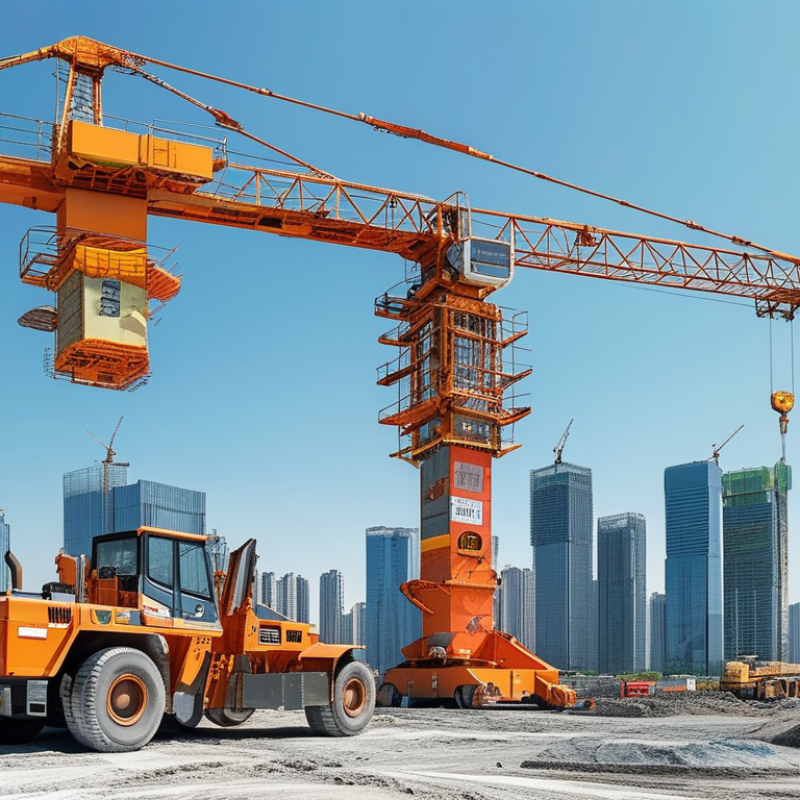
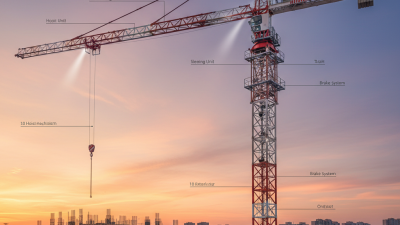
The basic structure of a tower crane consists of several key components. The vertical mast provides stability, standing tall to support the entire system. The jib extends horizontally, allowing the crane to lift materials at a distance. Notably, the counter-jib balances the load on the jib, ensuring the crane's safety. According to industry reports, the average height of tower cranes can reach up to 80 meters.
Understanding these elements is crucial for global buyers. Each part contributes to lifting capabilities, which can be up to 18 tons, depending on the model. Additionally, the base of the crane must be properly anchored. A weak foundation poses major risks.
Many buyers overlook the importance of inspections. Regular checks are essential for safety and efficiency. Reports indicate that 15% of crane accidents arise from equipment failure. Therefore, understanding how each component functions can help in making informed purchasing decisions. Investing time in training or consulting experts may prevent costly mistakes.
Parts of a Tower Crane: Size and Weight Distribution
Key Components: Boom, Jib, and Counterweights Explained
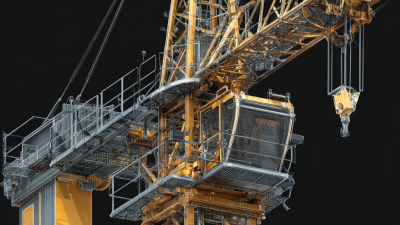
When identifying parts of a tower crane, understanding its key components is essential. The boom is the main horizontal arm. It extends out to lift and move materials. A well-designed boom can significantly affect lifting capacity. Its angle and length impact stability too. Different projects may require varying boom specifications. This is often overlooked, leading to mismatches in expected performance.
The jib is another critical part. It supports the load and provides additional reach. Jibs can be fixed or luffing, affecting how the crane operates in tight spaces. It’s crucial to check the jib's configuration before use. This often gets ignored, resulting in operational inefficiencies. Additionally, counterweights play a vital role in maintaining balance. Positioned at the rear, they are necessary for counteracting the weight of the load. Insufficient counterweights can lead to tipping. Understanding their relationship to the boom and jib enhances safety and efficiency.
Crane parts should be regularly inspected. Signs of wear or damage must be addressed promptly. While many rely on visual checks, more in-depth assessments are often needed. Misjudging structural integrity could lead to accidents. Be mindful of these factors when selecting tower cranes for projects.
The Role of the Hoist Mechanism in Tower Crane Functionality
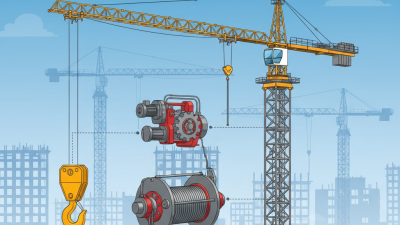
The hoist mechanism is a central component of a tower crane. It is responsible for lifting and lowering heavy materials. Understanding its function is crucial for global buyers and operators. According to industry reports, nearly 50% of crane accidents stem from hoist system failures. This highlights the need for reliable mechanisms.
The hoist consists of several parts, including the drum, wire rope, and motor. The drum holds the wire rope, which connects to the load being lifted. Quality of these components is vital. A report from the International Organization for Standardization (ISO) states that cranes with regularly inspected hoist mechanisms can reduce failure rates by up to 75%. It is essential to prioritize regular maintenance for safety.
Moreover, the efficiency of the hoist mechanism directly affects project timelines. Studies indicate that cranes with advanced hoisting systems can lift loads 30% faster than outdated models. This speed can significantly impact project costs and scheduling. Buyers should assess these factors when selecting cranes for their needs. Understanding the role of the hoist mechanism helps ensure safer and more efficient operations on construction sites.
Safety Features: Identifying Essential Safety Components in Cranes
Safety features in tower cranes are critical for ensuring operator and site safety. A 2021 industry report highlighted that nearly 30% of crane accidents result from mechanical failure or inadequate safety measures. Features like overload protection systems, emergency stop buttons, and limit switches play a vital role in preventing such incidents. A crane's safety system must be regularly tested to ensure reliability.
Identifying essential safety components requires knowledge and experience. For instance, load moment indicators (LMIs) help operators monitor crane load in real-time. The absence of this feature leads to potential overload risks. Regular inspection of hooks, slings, and rigging equipment is crucial, too. Proper maintenance can reduce failure rates significantly. Data suggests that proactive maintenance decreases accidents by up to 40%.
Incorporating advanced safety technology can enhance overall safety protocols. For example, proximity sensors can prevent accidents by alerting operators when obstacles are near. However, even the best technology may fail without proper training of the crane operators. Ensuring all personnel understands safety measures is essential, yet gaps in training still exist in many sites. Recognizing these shortcomings is the first step toward improvement.
Market Trends: Global Demand and Supply of Tower Cranes in 2023
The global demand for tower cranes has witnessed significant shifts in 2023. Recent industry reports indicate that the market is expected to grow at a CAGR of around 4.5% over the next five years. This increase is driven primarily by the booming construction sector in emerging markets. Countries in Asia-Pacific, particularly India and China, are ramping up infrastructure projects. As a result, these regions account for over 55% of global tower crane sales.
However, challenges persist in the supply chain. Shortages of raw materials and transport disruptions affect crane availability. Reports show that many manufacturers are struggling to meet the rising demand. This situation creates a competitive landscape where buyers must carefully evaluate suppliers. The efficiency and reliability of cranes remain paramount, yet not all suppliers maintain high standards. Some buyers may overlook essential certification requirements, which can lead to safety issues on-site.
Furthermore, sustainability is becoming crucial. Many construction firms are prioritizing eco-friendly practices. A shift toward electric or hybrid cranes is evident. However, the adoption rate remains slow. Companies need to rethink their strategies to keep pace with market demands, ensuring they balance sustainability with efficiency. A careful assessment of suppliers is needed to navigate these complexities effectively.
How to Identify Parts of a Tower Crane for Global Buyers? - Market Trends: Global Demand and Supply of Tower Cranes in 2023
| Part Name |
Description |
Market Demand (% Global) |
Market Supply (% Global) |
Price Range (USD) |
| Main Boom |
The horizontal arm that supports the load. |
30% |
25% |
15,000 - 25,000 |
| Jib |
The arm that extends from the main body to carry the load. |
25% |
30% |
10,000 - 20,000 |
| Hoist |
The mechanism used to lift and lower loads. |
35% |
20% |
5,000 - 15,000 |
| Counterweight |
Weights used to balance the crane when lifting loads. |
15% |
25% |
3,000 - 8,000 |
| Cab |
The operator's enclosed area to control the crane. |
20% |
15% |
2,000 - 6,000 |