Top 10 Liebherr Tower Crane Tips for Efficient Construction?
In the ever-evolving landscape of construction, the Liebherr Tower Crane stands as a monumental asset. Its design and functionality are crucial for efficiency on job sites. Understanding the right techniques can greatly enhance its performance, yet many operators overlook this aspect.
Utilizing a Liebherr Tower Crane requires expertise and awareness of its capabilities. Simple practices like regular maintenance can significantly prolong its lifespan. Equally, inefficient use can lead to delays and increased costs. Oversights in setup or load management can result in safety hazards, creating a ripple effect on project timelines.
By focusing on best practices, construction teams can maximize their investment in Liebherr Tower Cranes. This guide offers practical tips to enhance operation, ensuring that quality work is delivered on time. It’s essential to embrace continuous learning and reflection in the use of this powerful equipment.
Understanding Liebherr Tower Cranes and Their Applications
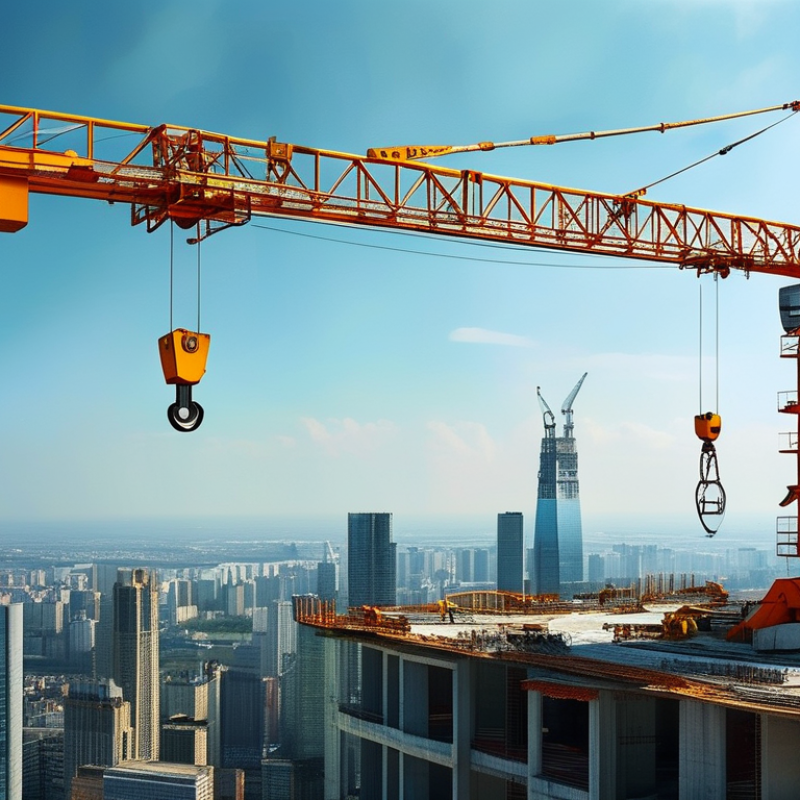
Liebherr tower cranes play a crucial role in modern construction. These cranes are designed for heavy lifting and can reach impressive heights. They are commonly used on large construction sites, where efficiency and safety are paramount. Understanding their applications is essential for maximizing their potential.
In urban settings, Liebherr tower cranes are essential for erecting skyscrapers and commercial buildings. Their ability to operate in tight spaces makes them invaluable. However, proper setup and operation are key to preventing accidents. A common oversight is neglecting site assessments before installation. This can lead to inefficiencies or even project delays.
Additionally, operator training is often overlooked. Even experienced crane operators can benefit from specialized training on Liebherr models. This ensures they understand the crane’s capabilities and limitations. Reflection on past projects reveals that thorough training can reduce risks significantly. Proper maintenance is another area needing attention. Regular inspections can prevent unexpected breakdowns, which cause costly downtime.
Top 10 Liebherr Tower Crane Tips for Efficient Construction
This bar chart illustrates the importance of various tips for maximizing construction efficiency using tower cranes. The data represents the effectiveness rating on a scale of 1 to 10.
Essential Safety Protocols for Operating Tower Cranes
Operating tower cranes safely requires strict adherence to essential protocols.
Before any lift, site assessments are critical. Inspect the crane thoroughly for wear and damage.
Check all safety features, including load limiters.
Record these inspections in maintenance logs. It can prevent severe accidents and costly downtime.
Ensure all operators are certified and understand the crane's specific functionalities.
Training goes beyond paperwork; it must include hands-on practice.
Communication is key on construction sites.
Establish clear signals and use radios for real-time updates. In noisy environments, visual signals can be invaluable.
Designate a signal person to coordinate lifts. This reduces confusion and enhances safety.
All workers in the vicinity should be aware of the crane's movements.
Use barriers to keep unauthorized personnel clear of the operating area.
Additionally, weather conditions can pose significant risks.
High winds or storms can make lifting operations dangerous. Monitor forecasts and have a clear plan for such circumstances.
Reflect on past experiences and incidents to refine safety procedures.
Continuous improvement is essential in maintaining safety standards.
Every lift brings unique challenges, demanding vigilance from all team members.
Maximizing Efficiency: Best Practices for Crane Setup and Positioning
Efficient crane setup and positioning are vital for any construction project. Proper planning can lead to smoother operations and reduced costs. Identify the optimal location for the crane, considering site layout and surrounding structures. This ensures the crane operates effectively without unnecessary obstruction.
Consider the wind conditions. High winds can hinder crane operation and pose safety risks. Assess the wind patterns and avoid positioning the crane in exposed areas. Regular inspections of the crane and surrounding site are essential. Checking for potential hazards, like overhead power lines or unstable ground, helps prevent accidents.
Communicate with the team regularly. Sharing updates on crane movements improves coordination among workers. Miscommunication can lead to costly mistakes. Reflect on past projects to learn from setbacks. Continuous improvement is key to maximizing efficiency on future builds. Adjustments may be necessary as the project progresses, emphasizing the importance of flexibility in crane operations.
Routine Maintenance Tips to Enhance Crane Performance
Routine maintenance is crucial for any tower crane's productivity. Neglecting basic upkeep can lead to downtime and lost revenues. Regular checks can extend the life of the equipment and ensure it runs smoothly.
One important tip is to schedule daily inspections. Verify all safety features and limit switches. Look for signs of wear on cables and pulleys. This small step helps in catching potential issues early.
Lubrication is another vital aspect. Moving parts require proper lubrication to function efficiently. Use high-quality lubricants recommended for your crane model. Clean the grease fittings and check for any blockages regularly. An overlooked lubrication routine can lead to significant repairs down the line.
Training and Certification: Ensuring Skilled Operators for Your Crane
Training and certification are crucial for operating tower cranes efficiently. Skilled operators understand the complexities of crane mechanics, load limits, and site safety. Without proper training, mistakes can lead to accidents. An experienced operator knows how to maneuver the crane effectively, ensuring the safety of the crew and the surrounding area.
Certification programs help establish a standardized skill set. They provide hands-on experience and theoretical knowledge. Many candidates find certain aspects challenging, like interpreting load charts or performing safety inspections. These areas often need extra focus in training sessions. Regular refreshers on safety protocols can prevent lapses in skills over time.
Investing in thorough training is non-negotiable. It not only fosters a culture of safety but also increases productivity. Operators should never stop learning. Continuous education on new technologies and techniques is essential. Relying solely on previous experiences may not be enough in a fast-evolving construction industry.
Top 10 Liebherr Tower Crane Tips for Efficient Construction
| Tip No. |
Tip Description |
Benefits |
| 1 |
Conduct Regular Training Sessions |
Improves operator skills and safety awareness. |
| 2 |
Perform Daily Equipment Checks |
Ensures crane is functioning properly and reduces accidents. |
| 3 |
Plan Lift Operations Thoroughly |
Enhances efficiency and minimizes risks. |
| 4 |
Use Proper Rigging Techniques |
Increases load stability and safety during lifts. |
| 5 |
Understand Load Limits |
Prevents overloads and potential equipment failure. |
| 6 |
Implement Clear Communication Protocols |
Reduces misunderstandings during operations. |
| 7 |
Keep Work Area Organized |
Facilitates safer and more efficient workflow. |
| 8 |
Use Technology for Monitoring |
Improves real-time decision-making and safety. |
| 9 |
Follow Manufacturer Instructions |
Ensures the equipment is used safely and effectively. |
| 10 |
Schedule Regular Maintenance |
Extends the lifespan of the crane and maintains performance. |