Top Self Erecting Tower Cranes at China Import Export Fair?
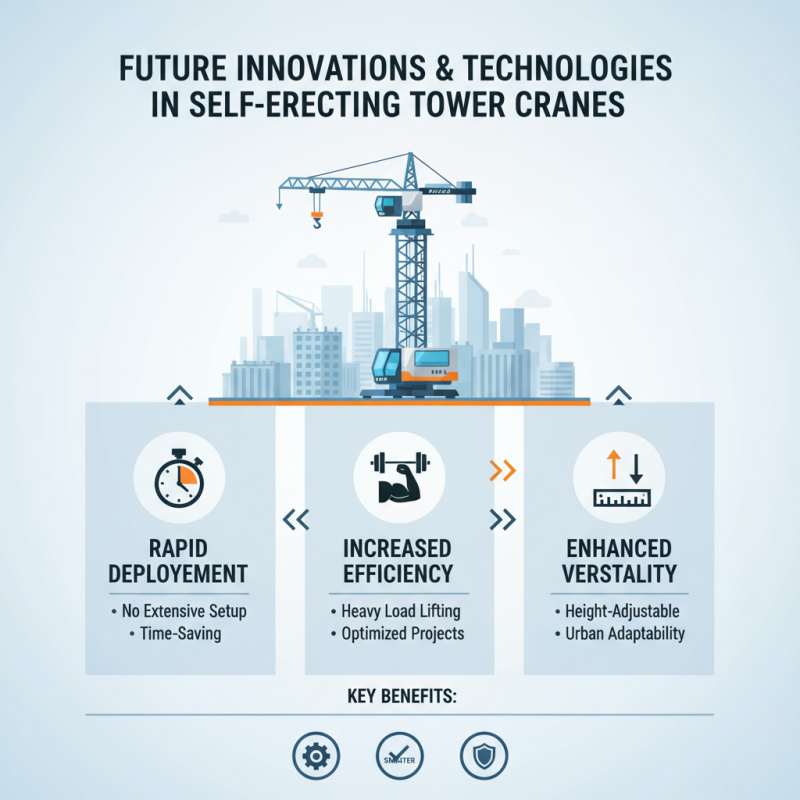
The upcoming 139th China Import Export Fair will showcase top Self Erecting Tower Cranes. This event is pivotal for the construction industry, bringing together key players. Tower cranes are essential for modern skyscraper construction. They provide increased efficiency and safety on job sites.
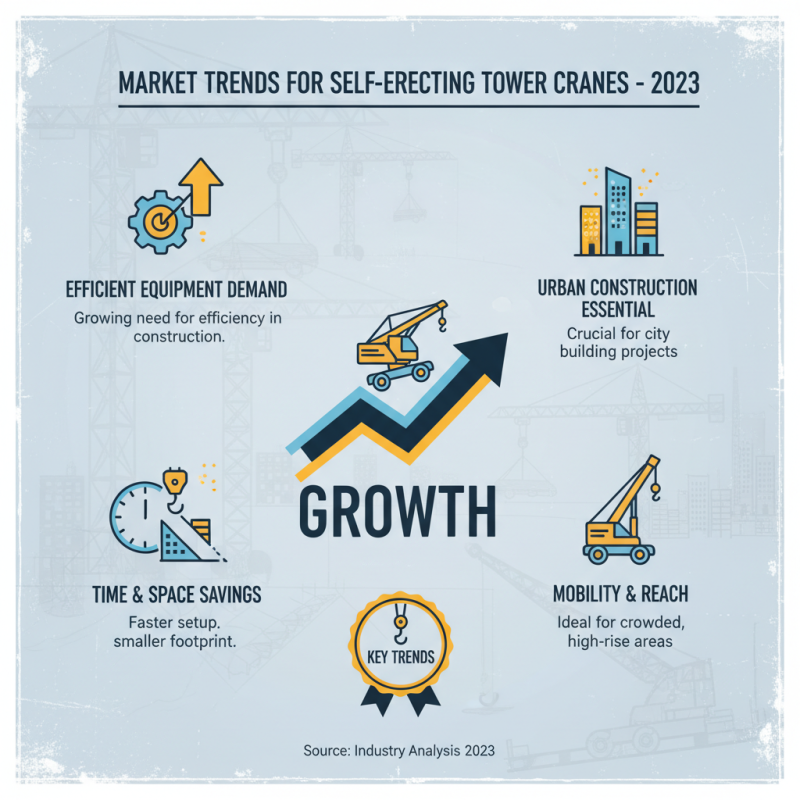
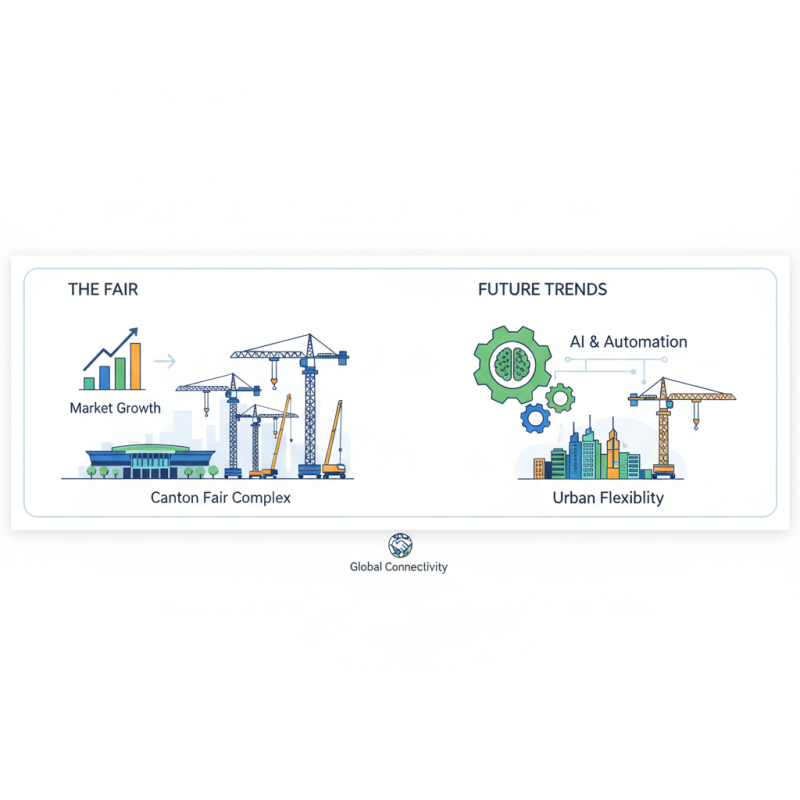
In recent years, the global crane market has seen significant growth. According to a recent industry report, the tower crane market is projected to grow by 4.7% annually until 2025. Self Erecting Tower Cranes specifically are gaining traction due to their compact design and ease of operation. These cranes allow for more flexible installation, which is crucial in urban areas.
However, challenges remain. Some smaller companies struggle to adopt new technologies. As the world moves toward automation, these businesses must adapt. The 2026 Fair, enhanced by AI-driven features, will help buyers connect with certified suppliers efficiently. Overall, the future of Self Erecting Tower Cranes looks promising but requires continuous innovation and adaptation.
Top Self Erecting Tower Cranes Overview and Specifications
Self-erecting tower cranes are increasingly popular in construction. They combine efficiency and compact design. These cranes are often used in urban areas with limited space. According to a market report, the global self-erecting tower crane market is expected to grow by over 5% annually. This trend reflects their rising demand in various sectors.
Specifications for these cranes vary significantly. Most models have lifting capacities between 1 and 5 tons. Their height can reach up to 70 meters. Some feature a rotating radius of 50 meters. The flexibility in design allows for various applications. However, many models struggle with stability in adverse weather. Users must pay careful attention to anchoring and setup.
Maintenance is another key concern. Regular checks are vital for safety and performance. Data shows that cranes that receive consistent maintenance perform better over time. Neglecting this aspect can lead to significant failures or accidents. Understanding these specifications helps contractors in making informed choices for their projects.
Key Players and Brands Showcasing at China Import Export Fair
The China Import Export Fair is a significant platform for showcasing innovative equipment. Among the highlights are self-erecting tower cranes. These cranes are designed for efficiency and versatility. They are essential in urban construction, where space is limited. Brands keen to impress display their latest technology. Their designs often emphasize easy setup and mobility.
Many cranes on show feature advanced safety features. Yet, not all designs are flawless. Some models struggle with weight distribution. Feedback from users is crucial for improvement. They seek solutions for better stability and control. Visitors observe these cranes in action, pondering their pros and cons.
In addition to practical designs, the fair fosters networking. It brings together engineers and decision-makers. Discussions often revolve around challenges in the industry. Attendees share insights, highlighting areas for growth. The fair serves as a reminder that innovation is ongoing. The industry must keep adapting to meet the demands of modern construction.
Top Self Erecting Tower Cranes at China Import Export Fair
| Model |
Max Lifting Capacity (ton) |
Height (m) |
Jib Length (m) |
Features |
| Model A |
8 |
30 |
40 |
Automatic leveling, high efficiency |
| Model B |
10 |
34 |
50 |
Compact design, easy transport |
| Model C |
12 |
40 |
60 |
User-friendly controls, enhanced stability |
Performance Metrics and Load Capacities of Top Models
The China Import Export Fair showcases impressive self-erecting tower cranes. These cranes have become essential in modern construction. They offer unique benefits, especially in tight urban spaces. Their compact design allows easy transportation and setup.
Performance metrics vary significantly among different models. Most cranes can lift loads ranging from 1 to 6 tons. The lifting height can exceed 50 meters, which is impressive. However, not all models reach their maximum load capacities efficiently. Some struggle with stability when fully loaded. It is essential to consider these factors when selecting a crane for specific projects.
User experience reveals mixed results. Operators appreciate the ease of use, but challenges occur during setup. High winds can impact performance and safety. Potential buyers need to assess these factors carefully. The right choice can lead to increased efficiency on the job site. But mistakes in selection may cause delays and increased costs. Choosing the correct model requires thorough research and consideration.