Top Tower Crane Jobs Worldwide for Construction Professionals?
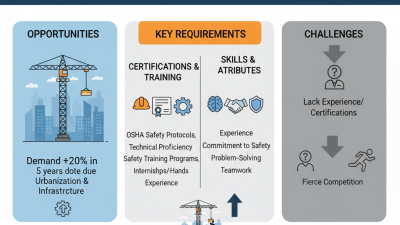
The demand for tower crane jobs continues to rise as construction projects expand globally. According to the Bureau of Labor Statistics, employment for crane operators is projected to grow 8% from 2019 to 2029. This growth is fueled by increasing infrastructure development and urbanization. Tower cranes are vital for modern construction, allowing for efficient lifting and moving of materials.
However, the competition for these roles is intense. Professionals need the right certifications and experience. The International Union of Operating Engineers reports that training programs can take several months to complete. Safe operations are vital, with OSHA reporting thousands of crane-related accidents each year.
Aspiring candidates must navigate a complex industry landscape. They should stay updated on technological advancements in crane operations. Understanding the market is crucial, as demand fluctuates by region and project type. Those seeking tower crane jobs must also reflect on their skills. Continuous learning and adaptation are necessary in this ever-evolving field.

Overview of Tower Crane Roles in the Construction Industry
Tower cranes play a vital role in the construction industry, particularly in large-scale projects. These machines are crucial for lifting heavy materials and ensuring efficiency on job sites. According to the International Council on Tall Buildings and Urban Habitat, the use of tower cranes has surged by over 30% in the past decade. This increase highlights the growing complexity of construction projects worldwide.
The roles associated with tower cranes are diverse and require specialized skills. Operators not only need to manage the crane but must also understand site conditions and safety protocols. A report by the Construction Industry Institute revealed that nearly 40% of on-site accidents are linked to improper crane operations. Training programs focus on enhancing expertise and reducing risks. However, many professionals still find themselves underprepared, leading to errors that could have serious consequences.
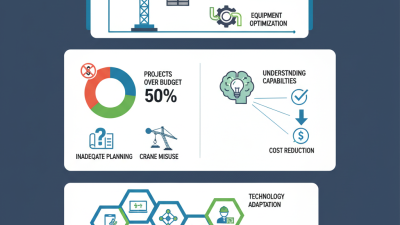
Logistics coordinators are also essential to successful tower crane operations. They plan the positioning and movement of cranes to optimize workflow. A study by McKinsey shows that effective site management can improve construction timelines by up to 20%. Yet, poor planning often leads to frustrating delays. Recognizing these challenges is critical for ongoing improvement in crane management and overall project success.
Key Responsibilities of Tower Crane Operators Worldwide
Tower crane operators play a crucial role in construction projects worldwide. Their primary responsibility is to lift and move heavy materials. This requires a blend of precision and focus. Operators must maneuver loads safely and efficiently. Misjudgments can lead to accidents and costly delays. Therefore, a deep understanding of crane mechanics is essential.
In addition to operating equipment, tower crane operators must communicate effectively. They often work alongside ground crews and site managers. Clear signals and directions are vital to ensure that everyone is on the same page. They also conduct regular inspections on cranes. This helps to identify potential issues before they escalate. Operators need to remain vigilant at all times.
It's challenging to maintain constant attention during long shifts. Fatigue can lead to errors. Operators must find ways to stay engaged and alert. Continuous training and skill development are necessary to enhance their expertise. The complexity of construction sites varies widely, requiring adaptability. Operators face different challenges with each project. Their role is both demanding and rewarding, often leading to personal growth as well.
Top Tower Crane Jobs Worldwide for Construction Professionals
| Job Title |
Location |
Key Responsibilities |
Average Salary (USD) |
| Senior Tower Crane Operator |
United States |
Operate cranes safely, manage loads, and collaborate with site supervisors |
$80,000 |
| Tower Crane Operator |
Canada |
Control crane movements and assist in construction projects |
$70,000 |
| Junior Crane Operator |
Australia |
Support crane operations and follow safety protocols |
$60,000 |
| Crane Supervisor |
United Kingdom |
Oversee crane operations and ensure compliance with regulations |
$90,000 |
| Tower Crane Installer |
Germany |
Install and dismantle tower cranes with safety knowledge |
$75,000 |
Top Locations for Tower Crane Jobs Globally
When exploring tower crane jobs globally, certain locations stand out for their demand and opportunities. Cities with booming construction sectors such as Dubai, London, and New York frequently seek skilled tower crane operators. In Dubai, rapid infrastructure development creates a constant need for cranes. Workers often face extreme temperatures. They must adapt quickly to maintain safety and efficiency on site.
London offers a different challenge. Its rich history blends with modern construction. Workers often navigate complex regulations and diverse projects. The demand for tower crane operators is high, but so is the competition. Skills in communication and problem-solving become essential here. Each project brings unique obstacles, pushing operators to think critically.
New York presents a vibrant construction scene. The skyline is iconic and always evolving. The fast pace can be overwhelming. Operators must remain focused among the hustle. Safety is paramount, with high standards to meet. Immense structures require skilled hands. Operators find satisfaction in their critical role, yet must also deal with the pressure of performance. Each location offers valuable lessons, pushing professionals to grow and adapt in their craft.
Required Qualifications and Skills for Tower Crane Professionals
Tower crane jobs are in high demand worldwide, driven by the growth of the construction industry. Tower crane professionals play a crucial role in lifting heavy materials on construction sites. The required qualifications and skills can vary across regions, but certain core competencies remain essential.
To work with tower cranes, professionals must possess a valid operator certification. According to a report by the International Labour Organization, certified operators can earn up to 20% more than their non-certified counterparts. Practical experience is vital, with many employers favoring candidates with at least three years in similar roles. Knowledge of safety regulations and mechanical systems is also critical. Candidates should be skilled in interpreting blueprints and construction plans.
Tips: Keeping skills updated is essential. Regular training sessions on new technologies will enhance employability. Networking with industry professionals can open up job opportunities. Additionally, understanding regional construction trends can provide a competitive edge.
Communication skills are often overlooked. Clear communication can reduce the risk of accidents on site. Many crane operators struggle with this aspect. Investing time in developing these skills is beneficial. Operators should also reflect on their decision-making processes during challenging lifts, as this can lead to better judgment in future scenarios.
Top Skills Required for Tower Crane Professionals