China Top Tower Crane Parts Suppliers for Global Buyers
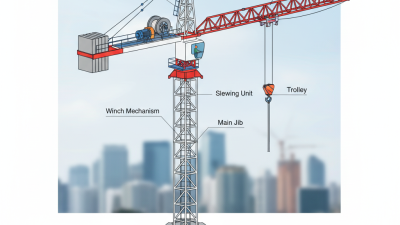
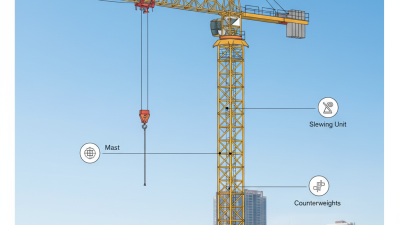
Choosing reliable China Tower Crane Parts suppliers is a practical decision for global buyers managing safety, uptime, and project costs. A suitable supplier should offer more than a broad product catalog. They need technical knowledge, stable manufacturing capacity, and clear communication from quotation to delivery. Common parts include slewing rings, wire ropes, brakes, gearboxes, limit switches, hooks, pins, and electrical control components. Each part must match the crane model, load requirements, dimensions, and working conditions.
Details matter.
Experienced buyers often request material certificates, dimensional drawings, inspection records, product photos, and traceable packaging. Factory audits can reveal useful facts, such as machining accuracy, storage conditions, testing equipment, and spare-part organization. Reliable manufacturers may also explain compatibility instead of simply promising a fast sale. This practical approach helps reduce installation delays and unexpected maintenance problems.
However, no supplier is perfect. Product quality can vary between batches, and technical documents may sometimes require clarification. Buyers should verify specifications independently and discuss warranty terms before ordering. A strong supplier supports this process with responsive engineers, realistic lead times, and transparent export documentation. The most dependable China suppliers combine production experience with quality control and after-sales service. For international construction companies, this balance is often more valuable than the lowest price. The following guide examines leading suppliers, their manufacturing strengths, inspection practices, product ranges, and suitability for different global purchasing needs.
Understanding China’s Tower Crane Parts Supplier Landscape
China’s tower crane parts supplier landscape is broad, but it is not uniform. Suppliers typically fall into three groups: original equipment manufacturers, specialized component factories, and export-focused trading companies. The Fortune Business Insights 2024 Tower Crane Market report valued the global market at about USD 8 billion in 2024. This growth is increasing demand for gearboxes, hoist motors, slewing rings, limit switches, and structural fasteners.
In practical sourcing, price is only one signal. A reliable supplier should provide material certificates, dimensional records, load-test evidence, and traceable batch numbers. For European projects, buyers should also review compatibility with EN 14439 requirements. ISO 9001 certification is useful, but it does not replace product inspection. A factory may show clean floors and polished samples, yet deliver inconsistent tolerances later. That uncomfortable gap deserves attention. The China Chamber of Commerce for Import and Export of Machinery and Electronic Products reports China’s continuing strength in machinery manufacturing and exports, but capability still varies between regions and factories.
Tips: Request one sample before bulk purchasing. Compare drawings, not only photos. Confirm steel grades, bearing clearances, voltage, and spare-part availability. Ask for an inspection report from an independent agency. Keep a written approval record. It seems slow. It prevents expensive surprises. A supplier’s response to technical questions often reveals more than its catalog. For critical parts, buyers should also test fitment under controlled conditions before shipment. Small mistakes can stop an entire crane.
Key Tower Crane Parts Available from Chinese Manufacturers
China Top Tower Crane Parts Suppliers for Global Buyers
Key Tower Crane Parts Available from Chinese Manufacturers
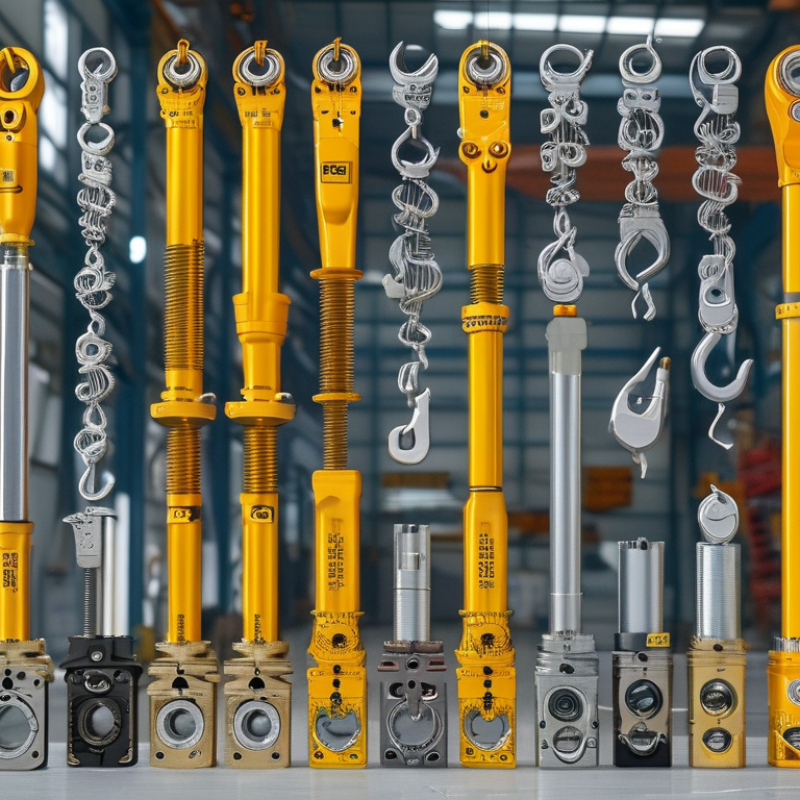
Chinese manufacturers supply essential tower crane parts for maintenance, repair, and new assembly projects. Common items include hoist motors, gearboxes, slewing rings, wire ropes, brakes, limit switches, and control cabinets. Structural parts are also available, including mast sections, bolts, pins, platforms, and operator cabins. Each component must match the crane’s model, load capacity, and operating environment. A part that looks correct may still have different dimensions or tolerance requirements.
Reliable suppliers usually provide drawings, material details, inspection records, and test results. Buyers should request serial tracking for safety-critical parts. For example, a slewing ring needs accurate bolt spacing and tested hardness. A brake assembly needs dependable stopping performance under repeated loads. In practical sourcing, low prices can appear attractive, but incomplete documentation creates expensive delays. I have also found that small parts, such as pins and limit switches, are sometimes overlooked. That mistake deserves more attention.
Tips: Share the crane model, production year, drawings, and working conditions before requesting prices. Ask for photos, dimensional checks, packaging details, and replacement recommendations. Confirm whether the supplier can provide samples or pre-shipment inspection. Do not rely on appearance alone. Even experienced buyers can miss compatibility issues when old equipment has been modified. Keep records of every measurement and approval.
Steps for Comparing Prices, Lead Times, and Export Services
China Top Tower Crane Parts Suppliers for Global Buyers
Comparing tower crane parts suppliers requires more than checking the lowest unit price. I compare the part specification, material grade, machining tolerance, packaging, and warranty terms. A cheaper hoist gear may cost more after inspection failures or replacement shipping. Request drawings, test reports, production photos, and a detailed quotation. Make every offer use the same technical requirements. Otherwise, the comparison becomes unreliable.
Lead time should include production, inspection, port handling, and sea or air transport. Ask whether parts are stocked or made to order. Confirm the planned dispatch date in writing. Export service also matters. Check the supplier’s experience with commercial invoices, packing lists, certificates of origin, and accurate shipping marks. Clarify Incoterms, payment stages, insurance responsibilities, and customs support. These details prevent delays at the destination port.
Tips: Build a comparison sheet with price, lead time, documents, packaging, and after-sales response. Contact two references if possible. I once focused too heavily on price and ignored packing quality; several small components arrived scratched. That mistake changed my process. I now request protective materials, carton dimensions, gross weight, and loading photos before payment. Ask practical questions. Vague answers usually deserve a second review.
Best Practices for Ordering Tower Crane Parts Globally
China Top Tower Crane Parts Suppliers for Global Buyers
Best Practices for Ordering Tower Crane Parts Globally
When evaluating tower crane parts suppliers in China, do not compare prices alone. Start with accurate equipment identification. Provide the crane model, component number, production year, and clear photos of mounting points. Include drawings, dimensions, material requirements, and operating conditions. A small mismatch in a slewing bearing, gearbox, brake, or limit switch can cause costly delays. Ask suppliers to confirm compatibility in writing before production. Reliable suppliers should explain tolerances, inspection methods, traceability, and expected service life.
Tips: Prepare a detailed parts checklist before contacting suppliers. Request a signed quotation covering quantities, specifications, currency, delivery terms, warranty limits, and packing details. For critical components, arrange independent inspection or request test reports linked to serial numbers. Confirm moisture protection, spare fasteners, and customs labeling. Use a video call to compare the supplied part with your drawing. It saves arguments later.
Do not choose a supplier only because the offer is cheap. Compare manufacturing experience, quality records, response time, and replacement procedures. Ask how defects are handled when goods arrive damaged or dimensions differ. A practical contract should define acceptance criteria and communication responsibilities. Delivery estimates may be optimistic during material shortages or port congestion. Build reasonable time into the installation schedule. One imperfect assumption can affect the entire lift plan. Review the order again; missing a washer or seal is surprisingly common.