Top 10 Liebherr Tower Crane Features Buyers Must Know?
When considering heavy construction equipment, the Liebherr Tower Crane stands out. Its innovative features have made it a preferred choice for many construction projects around the world. Understanding the essential aspects of these cranes is crucial for buyers. With various models and specifications, selecting the right one can be overwhelming.
Buyers need to be aware of key features that enhance performance and safety. Liebherr Tower Cranes are known for their reliability and advanced technology. Each model comes with unique capabilities to suit different job sites and needs. The options include varying lifting capacities, reach dimensions, and setup types.
However, while the Liebherr Tower Crane offers numerous advantages, it is important to consider maintenance and operational training. Overlooking these factors can lead to inefficiencies. Buyers must weigh the benefits against the responsibilities of owning such sophisticated machinery. Making an informed decision involves understanding both the strengths and challenges associated with this crucial equipment.
Key Specifications to Consider When Buying Liebherr Tower Cranes
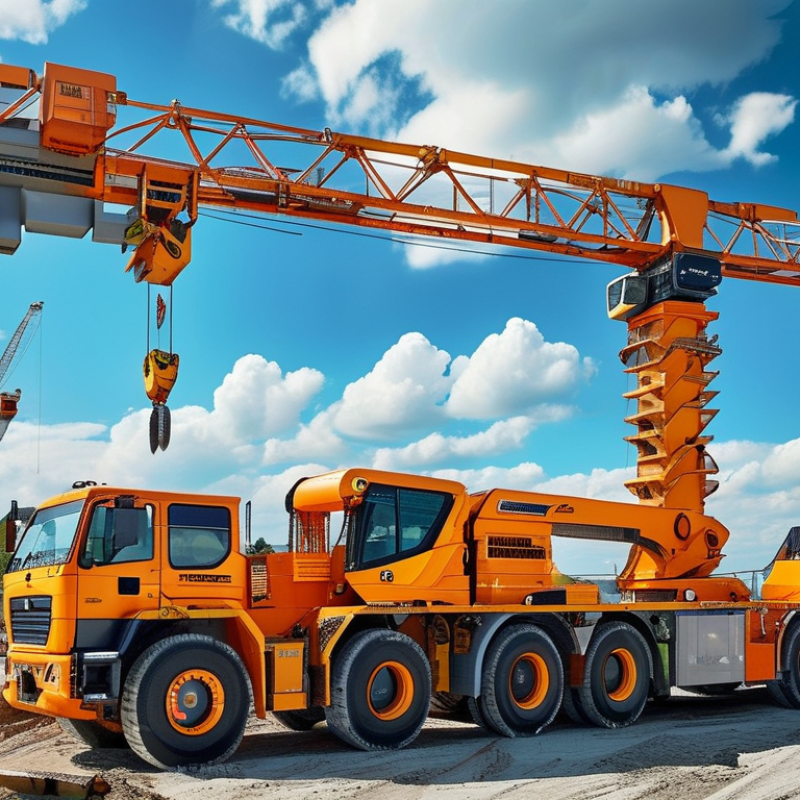
When considering the purchase of a Liebherr tower crane, key specifications play a crucial role. Start by assessing the maximum lifting capacity. This defines what loads the crane can handle. A typical Liebherr tower crane can lift substantial weights. Make sure it aligns with your project's demands.
Height and reach are also vital. These factors determine how effectively the crane can operate at job sites. Different models offer varying jib lengths and height under hook. Evaluate your site constraints to find the right fit. An inadequate reach can hinder project progress, causing delays.
Tips: Always prioritize stability and safety features. Cranes must have robust base designs to prevent tipping. Examine the setup process as well. A complex assembly can lead to operational downtime. Additionally, consider the crane’s control system. Modern systems offer precision but require specific training.
Check the power source. Some models may rely on diesel generators, while others use electric power. Availability of resources may impact maintenance costs. Understand your potential consumption. Lastly, review the warranty and support services offered. After-sales support can save you from unforeseen complications. Choose wisely to ensure project success.
Advanced Safety Features in Liebherr Tower Cranes
Advanced safety features in tower cranes have become a top priority for the construction industry. As newer models are designed, these features significantly enhance operational safety, which is crucial in high-risk environments. Many reports indicate that safety measures can lead to a 30% reduction in job site injuries. This statistic highlights the necessity for advanced engineering in tower cranes.
One innovative safety feature is the load moment indicator. This device prevents lifting beyond the crane's capacity. When load limits are reached, the system triggers alerts and can even halt operations. Studies show that cranes with integrated load monitoring can reduce overloading incidents by nearly 25%. Regular maintenance of these systems is vital, as wear and tear can lead to failures in critical moments.
Another important aspect is the enhanced visibility through advanced camera systems. These systems can provide real-time video feeds to operators, minimizing blind spots. Research from industry professionals suggests that improved visibility can decrease accidents caused by operator error by up to 40%. Despite these advancements, some companies still hesitate to adopt such technologies. Cost can be a barrier, but investing in safety ensures a more secure working environment.
Liebherr Tower Crane Design Innovations Enhancing Efficiency
Liebherr tower cranes exemplify advanced design innovations that significantly enhance operational efficiency. These cranes integrate state-of-the-art technology, resulting in improved performance and safety. According to the Global Construction Equipment Market Report, the demand for high-efficiency cranes is projected to grow by 5.2 percent annually until 2025. This surge indicates the need for reliable and productive machinery in construction.
Recent innovations include the efficient load management system. This feature optimizes load distribution, minimizing stress on crane components. Research shows that such systems can increase productivity by up to 20 percent. Additionally, collapsible tower designs reduce transportation costs and logistics challenges. These cranes can be assembled and disassembled on site, allowing for flexible project management.
However, despite these advancements, not all innovations are flawless. Some operators report difficulties in adapting to new user interfaces. Training is necessary, yet time-consuming. Moreover, while smart technology enhances functionality, it can also increase maintenance complexity. Balancing innovation with straightforward operation remains a challenge for manufacturers and users alike. Continued feedback from users can drive future improvements, ensuring that tower cranes evolve efficiently to meet industry demands.
Top 10 Liebherr Tower Crane Features Buyers Must Know
This bar chart illustrates the key features of tower cranes that significantly enhance efficiency. Each feature is measured on a scale indicating its importance based on customer feedback and industry standards.
Integration of Smart Technology in Liebherr Tower Cranes
The integration of smart technology in tower cranes marks a significant shift in construction capabilities. Modern Liebherr tower cranes leverage advancements in IoT, AI, and real-time data analytics. According to industry reports, smart cranes can reduce downtime by up to 30%. This improvement stems from predictive maintenance, allowing operators to address issues before they become critical.
Tips for enhancing crane performance include regular software updates. Keeping the operating system optimized ensures smooth data integration. Additionally, using smart sensors can enhance safety and increase efficiency on site. These technologies provide data on load weight, wind speed, and other vital metrics, which can be monitored in real-time.
Despite their benefits, relying solely on technology may overlook human expertise. Operators should maintain a comprehensive understanding of crane operations. This experience can bridge potential gaps in technology, ensuring safety and efficiency. Investing in training for operators will optimize both technology and skill, producing the best results on the job site.
Maintenance and Service Options for Liebherr Tower Cranes
When it comes to Liebherr tower cranes, maintenance and service options significantly impact performance and longevity. Regular inspections are essential. Research shows that 30% of crane failures result from inadequate upkeep. A proactive maintenance schedule can prevent downtime and costly repairs.
Service options vary, with many providers offering tailored plans. For example, hydraulic system checks and load testing are crucial. Studies indicate that cranes with regular professional service experience a 20% increase in operational efficiency. Additionally, training operators in basic maintenance can enhance safety and reduce risks. However, not all operations prioritize this essential training.
While many companies recognize the importance of service, gaps still exist. Ongoing support is often overlooked, leading to increased repair costs. Maintaining communication with service teams can help address issues before they escalate. Overall, focusing on comprehensive maintenance and service options promotes not only safety but also extends the service life of these impressive machines.
Top 10 Liebherr Tower Crane Features Buyers Must Know - Maintenance and Service Options for Liebherr Tower Cranes
| Feature |
Description |
Maintenance Options |
Service Frequency |
| High Lifting Capacity |
Designed to lift heavy loads with precision and stability. |
Regular inspections and load testing. |
Every 6 months. |
| Advanced Control System |
Smart technology for enhanced operation and safety. |
Software updates and system diagnostics. |
Annually. |
| Versatile Configurations |
Multiple setups to fit various construction sites. |
Field adjustments and setup optimization. |
As needed. |
| Wind Resistance |
Built to withstand strong winds for safe operation. |
Wind load assessments pre-operation. |
Before adverse weather conditions. |
| User-Friendly Interface |
Intuitive controls for easy operation. |
Operator training and refreshers. |
Every 2 years. |
| Safety Features |
Equipped with emergency stop and overload protection. |
Safety inspections and component verification. |
Monthly. |
| Durability |
Manufactured with high-quality materials for longevity. |
Routine wear and tear checks. |
Every 3 months. |
| Flexible Reach |
Adjustable boom length for different project demands. |
Boom adjustment checks. |
Before significant lifts. |
| Eco-Friendly Design |
Engineered for reduced emissions and energy use. |
Emissions testing and compliance audits. |
Annually. |