Who Are the Top Self Erecting Tower Crane Suppliers in China?
Choosing the right Self Erecting Tower Crane supplier in China requires more than comparing prices or catalog photographs. Buyers must examine lifting capacity, jib length, erection time, transport dimensions, control systems, spare-parts support, and documented factory testing. A compact crane may look ideal on a city project, yet fail to suit restricted roads, uneven ground, or repeated heavy lifts.
Crane-safety author John A. MacCollum offers a useful principle: “A crane must be selected for the work, not the brochure.” This warning fits the Chinese market. Leading manufacturers such as XCMG, Zoomlion, SANY, YONGMAO, and Fangyuan serve different project needs and budget levels. Their strengths are not identical. Some focus on advanced controls and export support. Others compete through practical designs, shorter production cycles, or stronger local service networks.
Details matter. Ask whether the supplier can provide load charts, foundation requirements, installation records, operator training, and inspection procedures. Check how quickly a replacement slewing component can reach the jobsite. Speak with users who operated the same model in similar weather and ground conditions. A supplier’s sales promise is useful, but field evidence is better.
There is no perfect ranking.
Even experienced buyers can overvalue brand recognition and undervalue after-sales response. That is a weakness worth admitting. This guide compares China’s top Self Erecting Tower Crane suppliers through performance, manufacturing experience, safety documentation, customization, service coverage, and long-term operating reliability. The final choice should match the project, not simply the lowest quotation.
What Is a Self-Erecting Tower Crane?
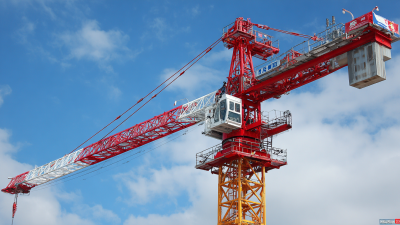
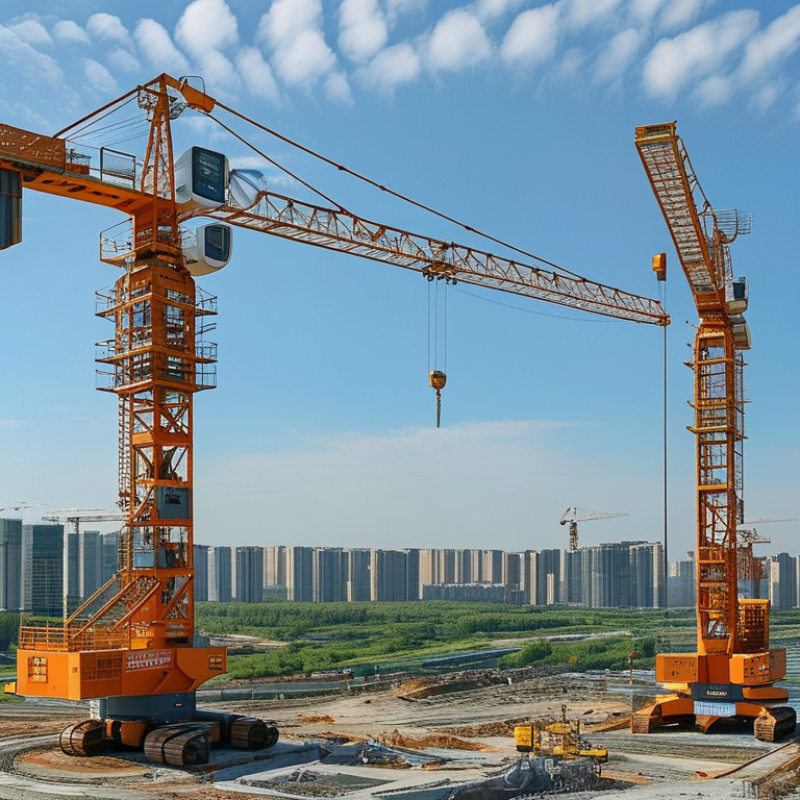
A self-erecting tower crane is a compact lifting machine that assembles its mast and jib on site, often without a second crane. Its folding sections reduce setup time on constrained projects. Typical units lift several tonnes, while their working radius may exceed 30 metres, depending on configuration and local conditions.
The machine suits housing developments, small commercial buildings, and urban renovation sites. It usually travels on a chassis or compact base, then stabilizes with outriggers or anchors. Operators should check ground bearing capacity, wind limits, lifting charts, and nearby overhead hazards. Small details matter. A narrow access road can decide whether the crane is practical.
Market estimates differ because researchers define “self-erecting” differently. Grand View Research reported continued growth in the global construction equipment market in 2024, driven by urban construction and equipment modernization. A 2023 report from Research and Markets also identified rental demand and labor shortages as important crane-market drivers. These trends support China’s strong supplier base, where manufacturers commonly offer modular designs, remote diagnostics, and export-adapted electrical systems. However, low purchase price alone is a weak selection method. Buyers should verify load-test records, spare-parts availability, operator training, and compliance with applicable standards. Some supplier specifications look impressive on paper. Site experience may tell another story.
How to Evaluate Chinese Self-Erecting Tower Crane Suppliers
Who Are the Top Self-Erecting Tower Crane Suppliers in China?
Evaluating Chinese self-erecting tower crane suppliers requires more than comparing prices. Start with verifiable operating experience. Ask for project records showing crane capacity, erection time, wind conditions, and service response. China’s National Bureau of Statistics reported construction industry output of about 31.6 trillion yuan in 2023. This scale creates strong manufacturing experience, but it does not guarantee consistent quality.
Inspect the factory, not only the showroom. Review welding procedures, steel traceability, gearbox records, electrical testing, and final load-test documents. Confirm that rated load charts match actual configurations. Suppliers should provide manuals aligned with applicable Chinese standards and ISO 12480-1 principles for safe crane use. Ask how quickly technicians can supply parts to your project location. A low quotation can become expensive when one limit switch waits weeks for replacement. I have seen buyers overlook this detail.
Energy performance also deserves attention.
The 2024 Global Status Report for Buildings and Construction, published by UNEP and GlobalABC, states that buildings and construction consume 32% of global energy. Efficient motors, standby controls, and durable components can reduce operating waste. Request measured data, not broad claims. Independent inspections are valuable. Still, inspection reports can miss poor site training or careless assembly. A practical evaluation should include operator training, commissioning support, warranty exclusions, and after-sales response times. No supplier is perfect. The best choice is usually the one that documents weaknesses clearly and corrects them quickly.
Leading Self-Erecting Tower Crane Manufacturers in China
China’s leading self-erecting tower crane manufacturers combine compact design with practical jobsite performance. Their cranes often support housing, farm, and small commercial projects where mobile access is limited. A strong supplier should provide clear load charts, foundation requirements, and transport dimensions. These details matter before the crane reaches the site.
Experienced manufacturers use controlled welding, tested hydraulic systems, and documented quality inspections. Buyers should examine factory records, component traceability, and commissioning procedures. A reliable supplier also explains wind limits, assembly steps, emergency lowering, and operator training. That matters on site. Service response is equally important, especially when a project depends on daily lifting.
The best manufacturers do not rely only on attractive brochures. They can discuss real installation conditions, uneven ground, restricted roads, and changing lift distances. Ask for inspection reports and references from comparable projects. No supplier is perfect. Some may offer strong engineering but limited overseas support, while others provide quick service but fewer customization options. This trade-off deserves careful review. An independent technical assessment can expose missing data before a purchase decision becomes expensive.
Key Products and Technologies Offered by Chinese Suppliers
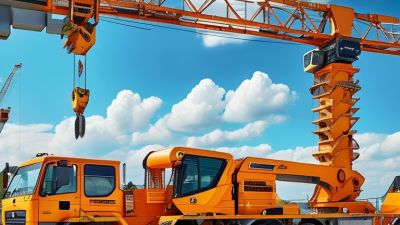
Chinese self-erecting tower crane suppliers commonly offer compact cranes for urban projects, residential buildings, and restricted construction sites. Their product ranges often include hydraulic self-erection systems, telescopic masts, folding jibs, and adjustable working heights. These features reduce dependence on large mobile cranes during installation. However, lifting capacity varies sharply with jib length and radius. Buyers should study the load chart, not rely on headline capacity.
Current technologies include frequency-controlled hoists, PLC-based control systems, overload protection, and load moment limiters. Some suppliers also provide remote monitoring, fault records, and wireless control panels. These tools can improve operating precision around steel frames and concrete formwork. Anti-corrosion coatings, sealed electrical cabinets, and reinforced mast sections support longer service in humid or dusty environments. In practice, software features are useful, but trained operators remain essential. Technology cannot correct poor site planning.
Tips:
Request a full technical file before purchasing. Check wind-speed limits, foundation requirements, transport dimensions, and emergency lowering procedures. Ask for factory test records and maintenance schedules. A supplier with export experience should explain regional certification clearly. Do not choose from price alone. I have seen specifications look impressive while after-sales response remains uncertain. That weakness deserves careful questioning. Also, verify spare-part availability, installation training, and warranty terms in writing. Small omissions can create expensive delays.