Leave Your Message

Why Tower Crane Parts Matter to Global Buyers?

For global buyers, Tower Crane Parts are not minor items in a purchasing list. They influence lifting capacity, site safety, repair speed, and project continuity. A worn hoist brake, cracked sheave, or poorly matched gear can stop a tower crane without warning. The result may include delayed concrete pours, idle crews, and expensive transport changes.

“Reliable crane performance begins with the right part, not the quickest part,” says Martin Keller, a veteran tower-crane maintenance engineer with more than two decades of field experience. His point is practical. Buyers must examine compatibility, material quality, dimensional accuracy, and documented testing. Price still matters. It should not lead every decision.

A serious supplier should provide clear specifications, traceable production records, inspection reports, and responsive technical support. Experience also matters when parts travel across regions. Voltage differences, climate exposure, shipping time, and local service skills can change the real cost of a purchase. A component that fits on paper may fail during installation. That uncomfortable possibility deserves attention.

Global procurement is rarely perfect. Catalog descriptions can be incomplete. Measurements may be misunderstood. Even experienced buyers can overlook one small tolerance. Careful communication reduces these risks. Comparing original and replacement parts, checking serial numbers, and confirming installation procedures create a stronger purchasing process.

The best decision is not always the cheapest one. It is the part that performs reliably, arrives with credible evidence, and supports safe work at height. That is why Tower Crane Parts matter to global buyers.
Why Tower Crane Parts Matter to Global Buyers?

What Are Tower Crane Parts and Why Do They Matter?

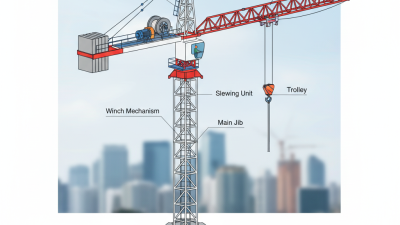
Tower crane parts are the working elements that control lifting, movement, and structural stability. They include the mast sections, slewing ring, trolley, hoist rope, hooks, brakes, motors, bolts, and safety devices. Each part carries a defined load and works within strict alignment limits. A worn brake may increase stopping distance. A damaged bolt can weaken a critical connection.

The 2024 International Tower Crane Index tracks more than 20,000 cranes in rental fleets worldwide, showing the scale of equipment used across construction markets. For global buyers, compatible parts matter because dimensions, steel grades, electrical systems, and certification requirements can differ.

The wrong trolley wheel may fit visually but create abnormal rail wear. That mistake becomes expensive quickly.

Inspection quality matters as much as sourcing. The International Labour Organization reported 2.93 million work-related deaths and 395 million non-fatal injuries globally in 2023. Not all involved cranes, but the figure exposes the cost of weak safety controls. Buyers should request traceable material records, inspection results, load ratings, and installation instructions. ISO 9927-1 also supports systematic crane inspections. Visual checks alone are not enough.

Sometimes, the part looks fine. That is the uncomfortable gap. Even experienced teams can overlook fatigue inside a pin, crack, or weld.

Replacement decisions should consider service hours, corrosion, operating climate, and the crane’s maintenance history.

How Tower Crane Components Affect Safety and Performance

Why Tower Crane Parts Matter to Global Buyers?

How Tower Crane Components Affect Safety and Performance

Tower crane components directly influence lifting safety, operating speed, and long-term reliability. A worn slewing ring can create movement, vibration, or uneven rotation. Damaged wire rope may fail under repeated tension. Even a loose bolt can change the load path during lifting. Small parts matter.

Reliable buyers inspect more than visible condition. They check material certificates, dimensions, heat treatment, and compatibility with the crane model. Braking systems need stable stopping force, especially when wind affects a suspended load. Limit switches must respond accurately before the hook reaches a dangerous position. Electrical connectors also need protection from moisture, dust, and temperature changes.

On active construction sites, maintenance teams often find that minor defects become expensive delays. A cracked pulley bearing may produce unusual noise before failure. That warning should not be ignored. It is easy to blame operator technique, but component quality can be the real cause. The reverse is also true. High-quality parts cannot correct poor installation or skipped inspections.

Global buyers should request clear testing records and traceable production information. They should also confirm storage requirements, spare-part availability, and technical support. A component may look correct but still perform poorly after long transport or improper storage. This detail is sometimes overlooked. Safety depends on the whole system, not one impressive-looking part.

Which Parts Do Global Buyers Need to Evaluate?

Global buyers should evaluate tower crane parts as one working system, not as separate catalog items. The Global Construction Perspectives and Oxford Economics report projects global construction output to grow by 85% by 2030. That expansion increases demand for reliable replacement parts and compatible assemblies.

Start with load-bearing components. Check mast sections, bolts, pins, climbing frames, and base connections against the crane’s exact model and load chart. Small dimensional differences can affect stability. Inspect the slewing ring for gear wear, abnormal noise, lubrication history, and bolt torque records. The hoist motor, gearbox, brakes, wire rope, and drum also deserve documented inspection. Wire rope condition should follow ISO 4309 guidance, including broken-wire counts, corrosion, deformation, and diameter reduction.

Electrical parts need equal attention. Evaluate limit switches, overload protection, control panels, sensors, and emergency-stop circuits. Request test certificates, batch numbers, material records, and maintenance history. ISO 12480-1 emphasizes controlled crane operation, but paperwork alone cannot prove field condition. It helps, though. The International Labour Organization estimates 2.93 million workers die annually from work-related causes, making traceability more than an administrative detail. Fit matters.

Global buyers should also confirm climate suitability, voltage compatibility, spare-part availability, and technician support. A part may meet a specification yet fail in coastal salt air or extreme cold. I have seen buyers focus on price and overlook installation tools. That decision often creates longer downtime. A perfect checklist does not exist, so inspection findings should update the purchasing criteria.

How Standards and Compatibility Shape International Purchasing

Why Tower Crane Parts Matter to Global Buyers?

International tower crane purchasing is rarely just a price comparison. Standards determine whether a replacement part can operate safely and legally on a specific job site. Buyers should check load ratings, material certificates, weld quality, and dimensional tolerances before approving an order. A small mismatch can stop an entire lifting schedule.

Compatibility is equally important. A hoist brake, slewing gearbox, or limit switch must match the crane’s model, voltage, mounting points, and control system. Product photos are not enough. I have seen buyers measure a shaft incorrectly and receive a part that looked identical but could not fit. That mistake created extra freight costs and several days of downtime.

Documentation also shapes international purchasing decisions. Reliable suppliers should provide inspection records, installation instructions, test data, and clear identification numbers. These documents help engineers, customs teams, and site supervisors work from the same information. Regional standards may differ, so buyers should confirm requirements with qualified local professionals. A certificate alone does not prove suitability.

Small details matter. Packaging should protect machined surfaces from moisture and impact. Labels should remain readable after long transport. Even experienced teams can overlook connector orientation or thread direction. That is worth admitting. A careful compatibility checklist, supported by technical drawings and direct measurements, reduces avoidable risks before payment and shipment.

What Factors Influence Tower Crane Part Costs and Supply?

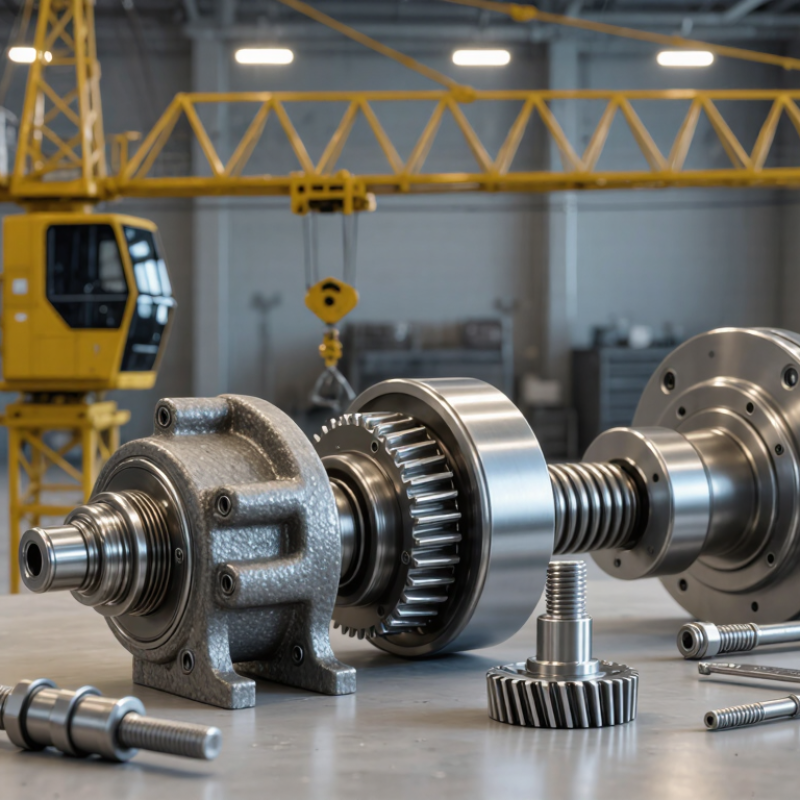
Tower crane parts matter because one small component can affect lifting accuracy, uptime, and site safety. For global buyers, cost starts with engineering requirements, not the supplier’s invoice. A slewing bearing, wire rope, brake unit, or gearbox needs correct load ratings and dimensions. Material grade matters too. Heat-treated gears may cost more, but poor hardness can create rapid tooth wear. Buyers should compare drawings, inspection reports, and service records before comparing prices.

Part cost changes with steel prices, machining hours, testing, packaging, and production volume. Custom parts usually require new tooling or detailed measurement. That adds time. Urgent orders may include overtime, special freight, and limited stock premiums. Currency movement and import duties can shift the final landed cost significantly. Freight is often underestimated. A heavy gearbox may need reinforced crating, moisture protection, and careful port handling.

Supply reliability depends on qualified factories, stable raw materials, clear drawings, and traceable quality checks. Ask for serial references, dimensional tolerances, material certificates, and realistic delivery dates. Compatibility deserves attention. A visually similar pin may still have the wrong hardness or fit. In procurement work, I have seen buyers select the lowest quote and later pay for delays. That choice was understandable, but incomplete. Some estimates also miss installation tools or technician support. A more careful comparison weighs purchase price, downtime risk, warranty terms, and long-term availability. No supplier is perfect. That is why independent inspection remains worthwhile for critical parts.